City of Science, A Brighter Future: Guangming District’s Urban Sustainability Journey as Shenzhen Takes the Global Spotlight at APEC 2026

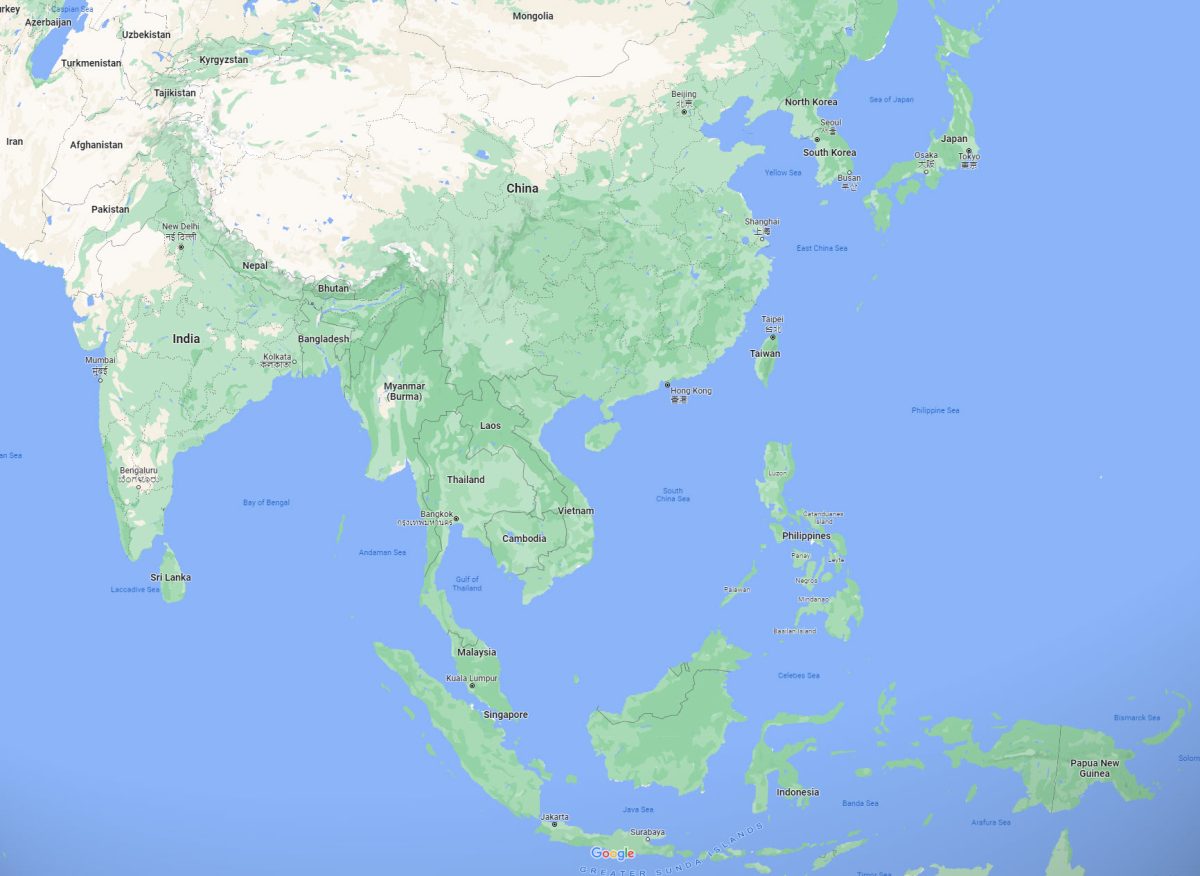
The 33rd Asia-Pacific Economic Cooperation (APEC) Economic Leaders’ Meeting, held from 18 to 19 November 2026 in Shenzhen, China, brought together leaders from across the Asia-Pacific to discuss regional cooperation and shared development priorities. Against this backdrop, attention also turned to how cities can translate broader regional priorities into practical approaches to sustainable urban development. Guangming District, a member of ICLEI’s global network in northwestern Shenzhen, offers an example of how technological innovation and ecological conservation can be advanced alongside urban development.
APEC 2026 in Shenzhen: A Regional Context for Sustainable Development
Shenzhen, China’s third city to host the APEC summit after Shanghai and Beijing, provided a dynamic backdrop for the Leaders’ Meeting and associated events, including the APEC CEO Summit. The 2026 APEC host year in China saw climate and environmental governance move center stage, with tangible frameworks established for energy security, AI-powered decarbonization, zero-carbon cities, and nature-based solutions for coastal protection. These themes resonated across the city’s initiatives and were reflected in Guangming District’s ambitious projects.
Shenzhen is globally recognized as a technology and innovation powerhouse. Its transformation from a small fishing village to a megacity of over 17.5 million in just four decades has been dramatic. Yet, despite this rapid growth, the city has maintained a steadfast commitment to environmental protection, safeguarding nearly half its land and nurturing over 6,800 species. Shenzhen’s innovative strategy for establishing urban growth boundaries, restoring wetlands, and implementing wildlife-friendly engineering serves as a model for balancing industrial development with environmental conservation. In 2022, during the 15th Conference of the Parties to the UN Convention on Biological Diversity (CBD COP15), Shenzhen was recognised as a Biodiversity Charming City and joined the CitiesWithNature platform.
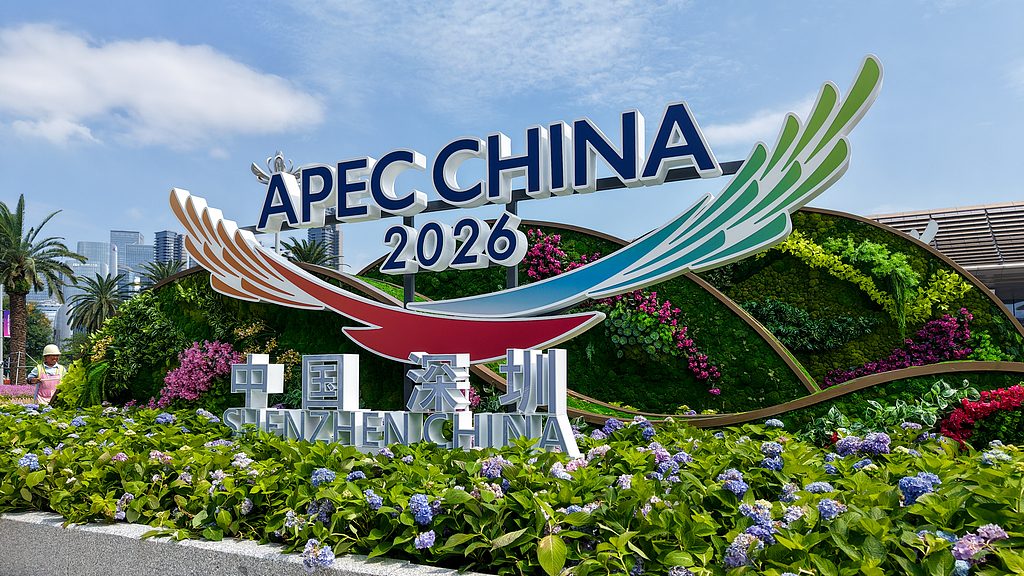
APEC 2026 in Shenzhen (photo CGTN)
Guangming District: An Innovation Hub with a Strong Ecological Foundation
Situated in the northwest sector of Shenzhen, Guangming District is a vital component of the Guangdong-Hong Kong-Macao Greater Bay Area and home to Shenzhen Science City. The district stands out for its dual strengths: a thriving hub of technological innovation and a robust ecological foundation. Its ecological basic control line covers 83.6 square kilometers, more than half the district’s area. Biodiversity surveys have recorded 945 species of wild animals and plants in the district, while over 2,000 high-tech enterprises drive forward its science and industry cluster.
Since joining ICLEI’s international network in 2017, Guangming District has worked closely with the organization to advance green buildings, low-carbon development, ecological protection, and international exchanges. By leveraging ICLEI’s global urban network, Guangming has deepened its international cooperation, sharing its sustainable development experiences and learning from cities worldwide.
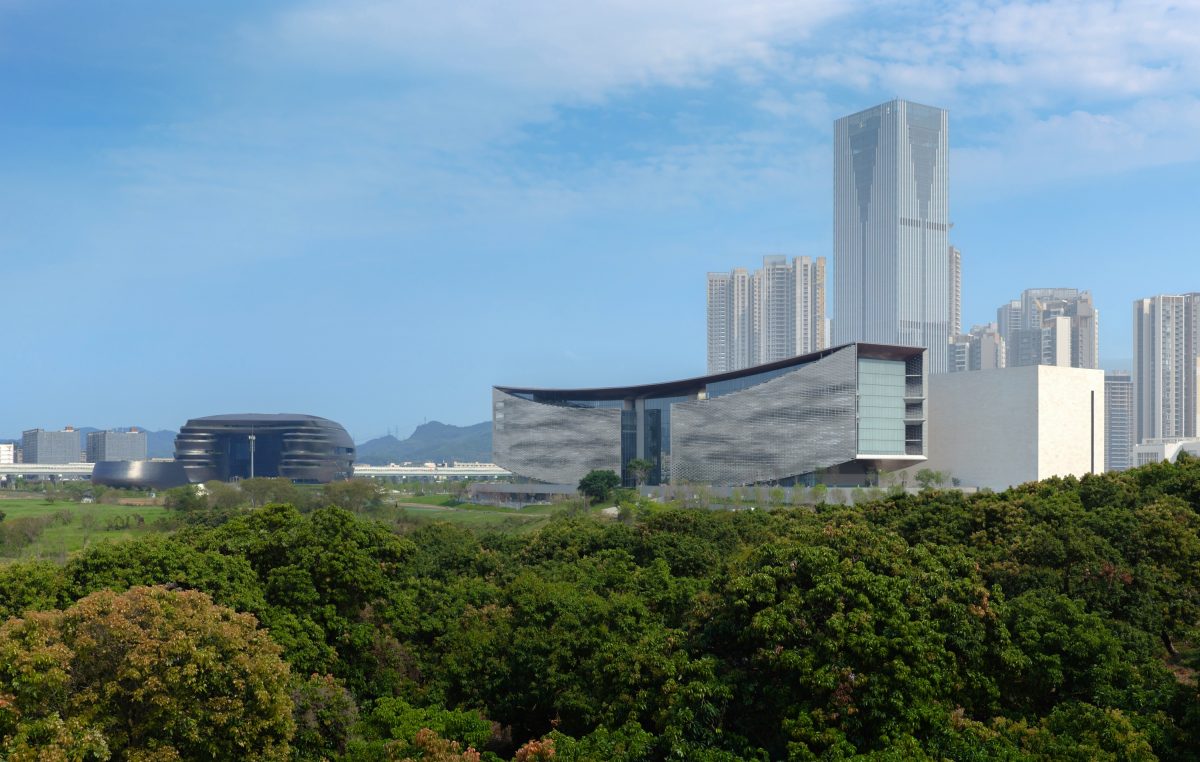
The Shenzhen Science & Technology Museum (left) and the Shenzhen International Museum of Art (right) (Image: Guangming District)
Integrating Urban Innovation with Nature Conservation
Guangming District is unique in that it treats technological innovation and natural ecology not as separate agendas, but as mutually reinforcing pillars of urban development. From building the Science City and protecting ecological spaces to nurturing innovative industries and enhancing green infrastructure, Guangming is actively forging paths for harmonious coexistence between urban growth and nature conservation.
One of the district’s most distinguished achievements is its approach to biodiversity conservation, as showcased in Hongqiao Park. The district’s practices were showcased this year at the CBD COP17 in Yerevan, Armenia, where Guangming received the CitiesWithNature certificate and was included in the “Cities in Harmony with Nature: Case Studies of Urban Biodiversity Conservation in China” collection.
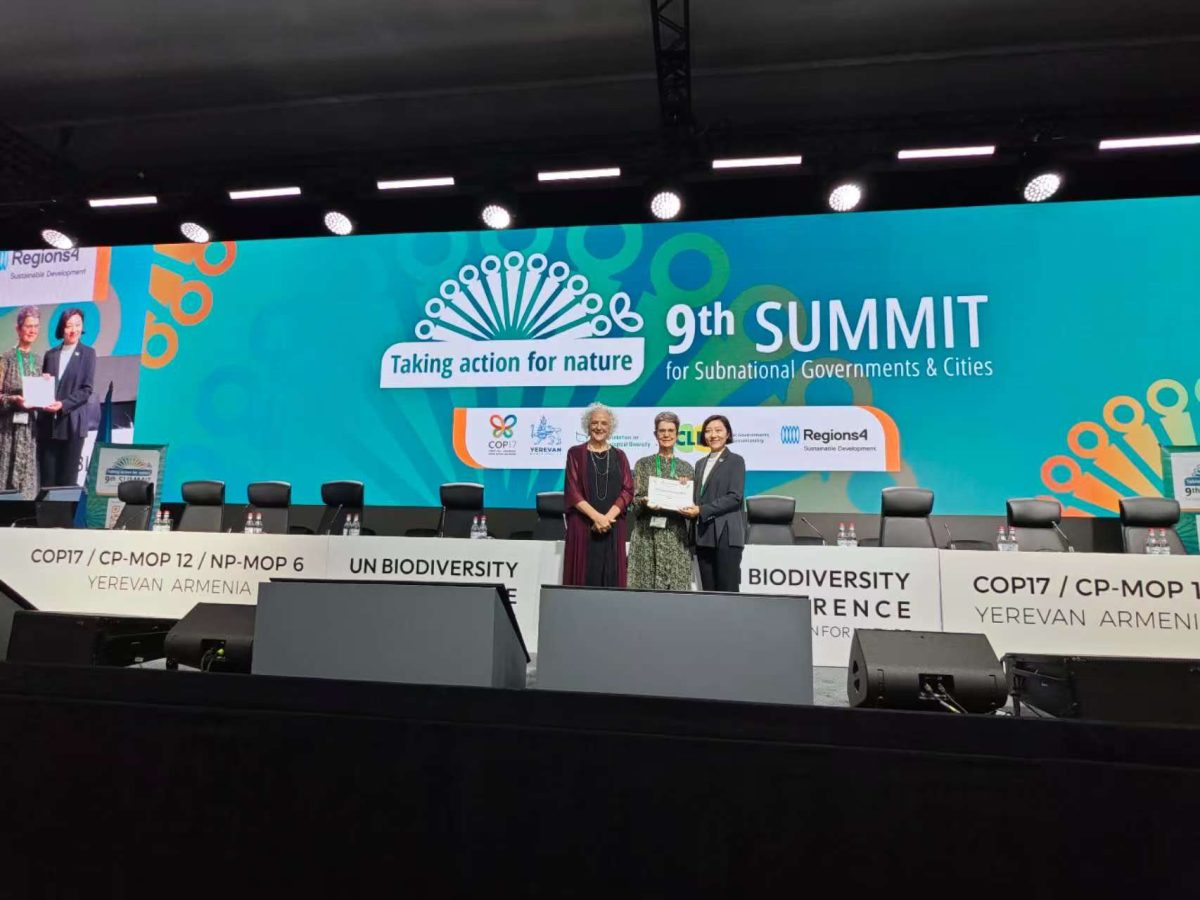
On 24 October 2026, Guangming district received the CitiesWithNature certificate at the 9th Summit for Subnational Governments & Cities at the CBD COP17 in Yerevan, Armenia (image: ICLEI East Asia)
Hongqiao Park: Model for Nature-Based Urban Solutions
Located at the heart of Guangming Science City, Hongqiao Park, also known as Red Bridge Park, spans about 410 hectares and serves as a key ecological space within the megacity. It is home to 23 nationally protected species, including the leopard cat, Golden Chicken Fern, and Yellow-breasted Bunting, and exemplifies an integrated approach to urban park development based on low-impact principles.
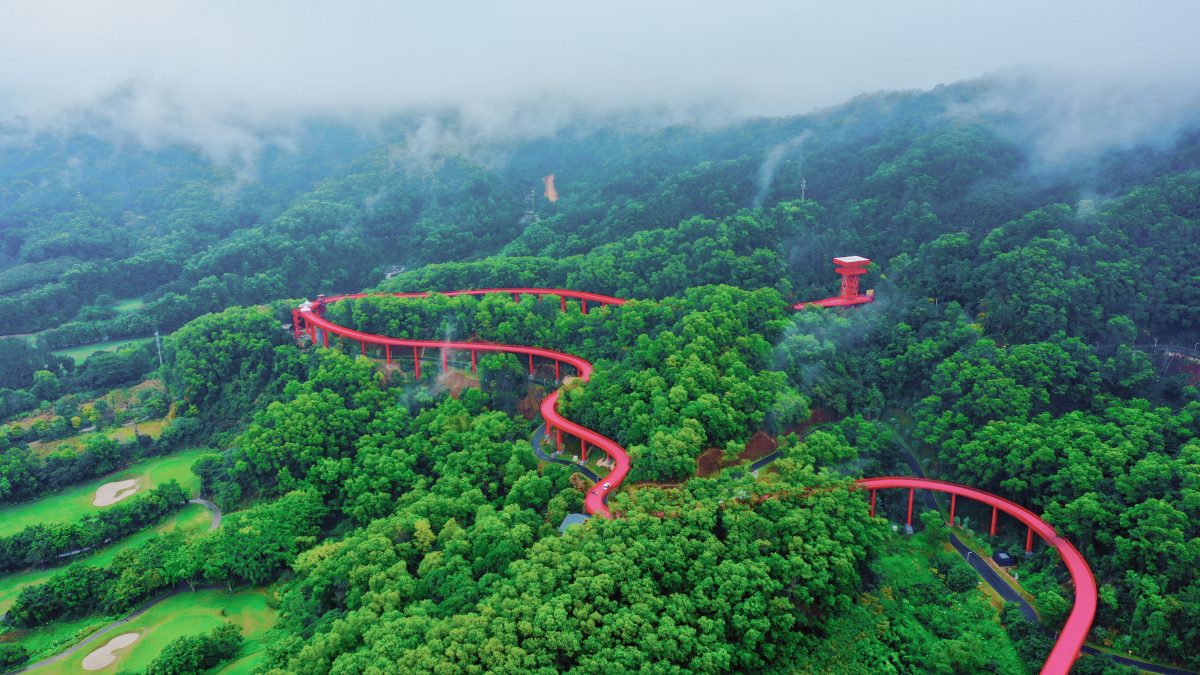
The red bridge in Hongqiao Park (Image: Guangming District)
Hongqiao Park’s crimson skywalk, a 4-kilometer elevated scenic bridge, is designed to minimize disturbance to the natural environment, allowing wildlife to move freely and native plants to grow. The park incorporates sponge city concepts, using permeable pavement, rain gardens, and sunken terrain to collect, purify, and reuse rainwater, reducing the risk of urban flooding and supporting water resource recycling.
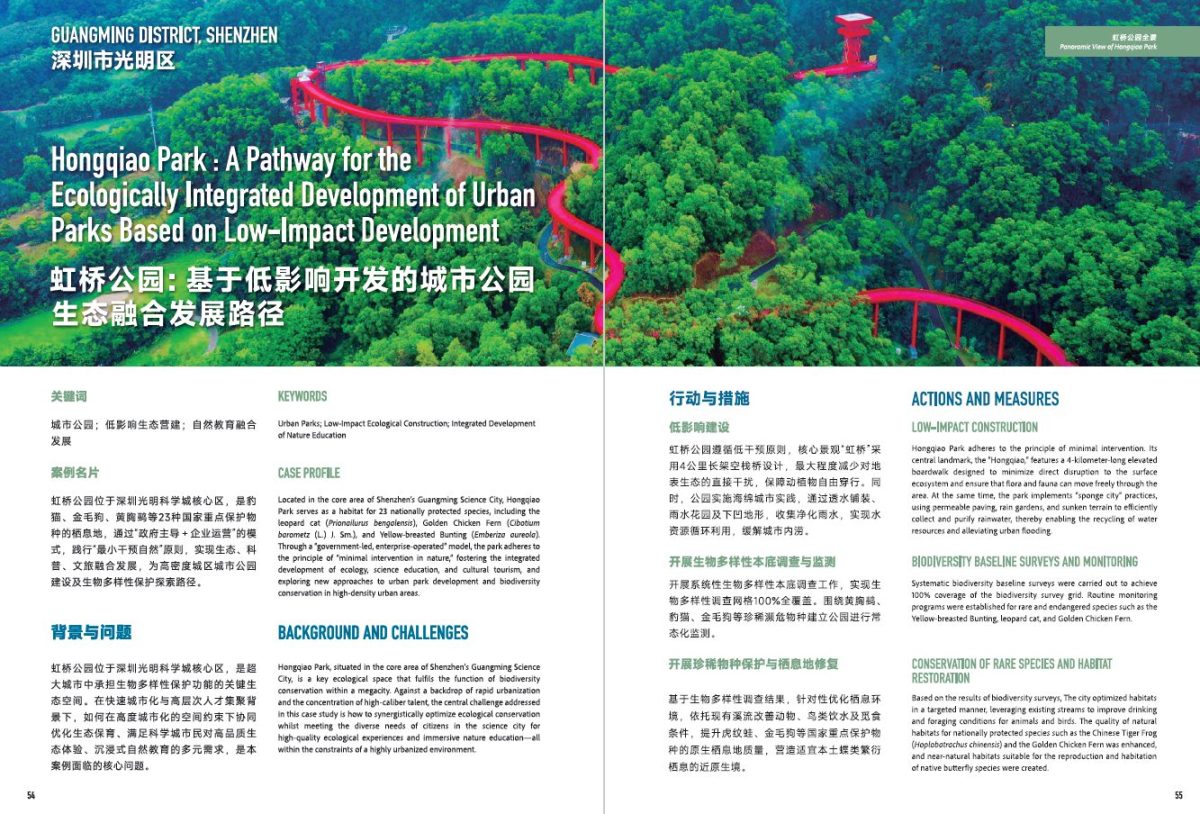
Hongqiao case in “Cities in Harmony with Nature: Case Studies of Urban Biodiversity Conservation in China” collection
Scientific conservation underpins the park’s management, with regular biodiversity surveys, targeted habitat improvements, and ongoing monitoring of rare and endangered species. Efforts include enhancing drinking and foraging conditions for animals and birds, restoring native habitats, and providing tailored environments for diverse species. Equally important is the park’s commitment to public engagement. A one-kilometer-long “Guangming District Biodiversity Science Education Corridor” and outdoor science education trails offer both indoor and outdoor educational experiences, promoting awareness and participation in ecological protection. By 2025, the park had hosted 84 events and welcomed 1.2 million visitors, and generated significant commercial value, demonstrating the synergy between ecological, social, and economic benefits.Through its closed-loop management model—“survey and monitoring—precise restoration—low-impact construction—science outreach”—Hongqiao Park has become a flagship of urban ecological corridor construction and biodiversity conservation, reflecting Guangming’s philosophy of respecting, protecting, and integrating with nature.
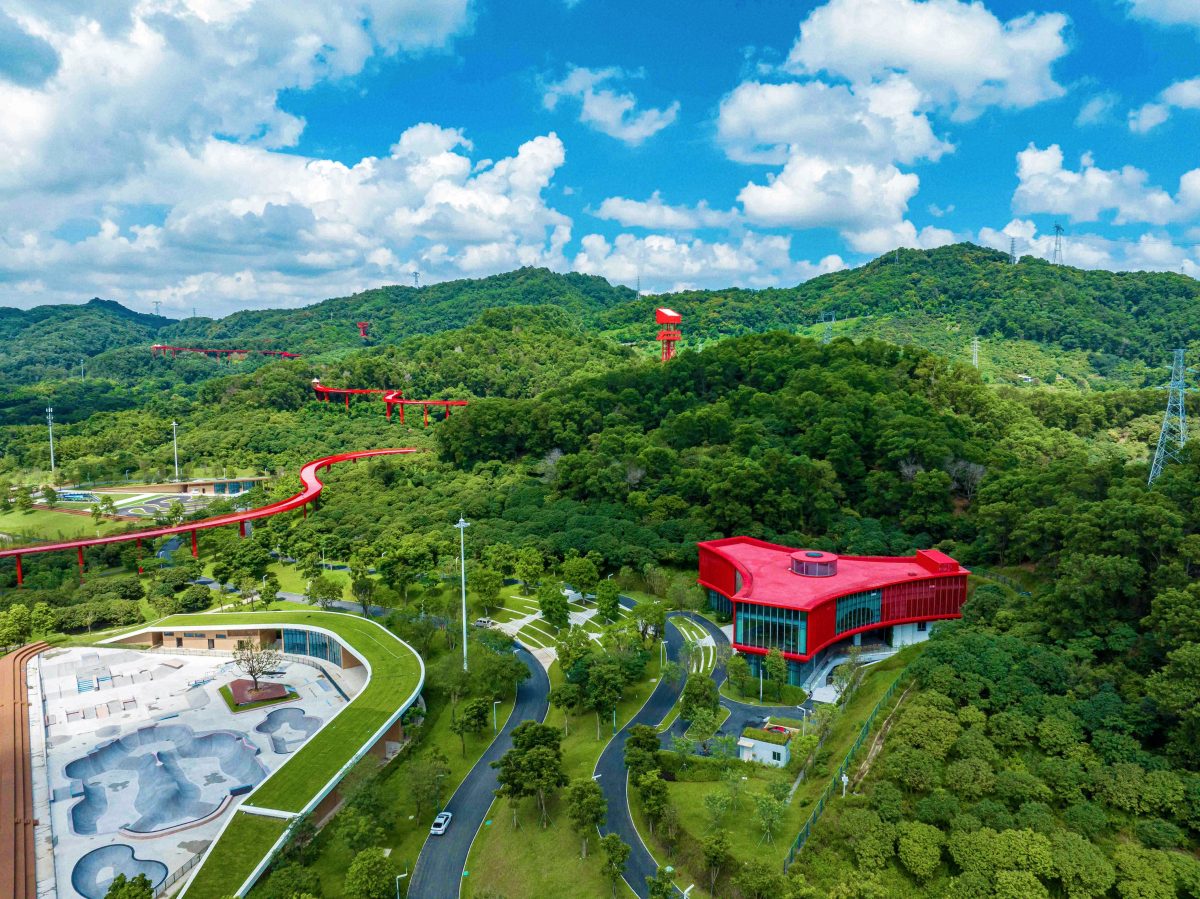
The Hongqiao Park Nature Education Center, also known as the Hong·BOX Nature Art Cube (Image: Guangming District)
ICLEI and Guangming: Strengthening International Cooperation
As a global network of local and regional governments committed to sustainable development, ICLEI has supported Guangming District through knowledge exchange, capacity building and international cooperation. Since the partnership began in 2016, collaboration has expanded from experience sharing and capacity building to cooperation in areas such as green public procurement, green building and international innovation exchange. The establishment of the ICLEI–Guangming Project Office in 2024 marked a further step in strengthening this partnership and connecting the district with ICLEI’s global network.
The partnership provides a platform for Guangming to share its local practices with cities worldwide, learn from international peers and explore new opportunities for cooperation in biodiversity conservation and sustainable urban development. It also illustrates how international networks can help connect local priorities with global knowledge and partnerships, supporting more informed and collaborative approaches to sustainable development.
A Vision for the Future: Co-Creating Sustainable Urban Solutions
Guangming District’s experience underscores that sustainable urban development requires both local innovation and international cooperation. By integrating cutting-edge science with robust ecological protection, Guangming offers practical insights for cities worldwide striving for green transformation.
From the ecological integration of Hongqiao Park to the dynamic innovation ecosystem of Science City, Guangming continues to explore new pathways for coordinating urban growth and nature conservation. In the broader context of APEC 2026, its experience highlights how local governments can bring together scientific innovation, biodiversity conservation and international cooperation in pursuing more sustainable urban development.