AI for Urban Sustainability (AI4US) Workshop | ICLEI Actively Explores New Pathways for AI to Empower Urban Sustainable Development
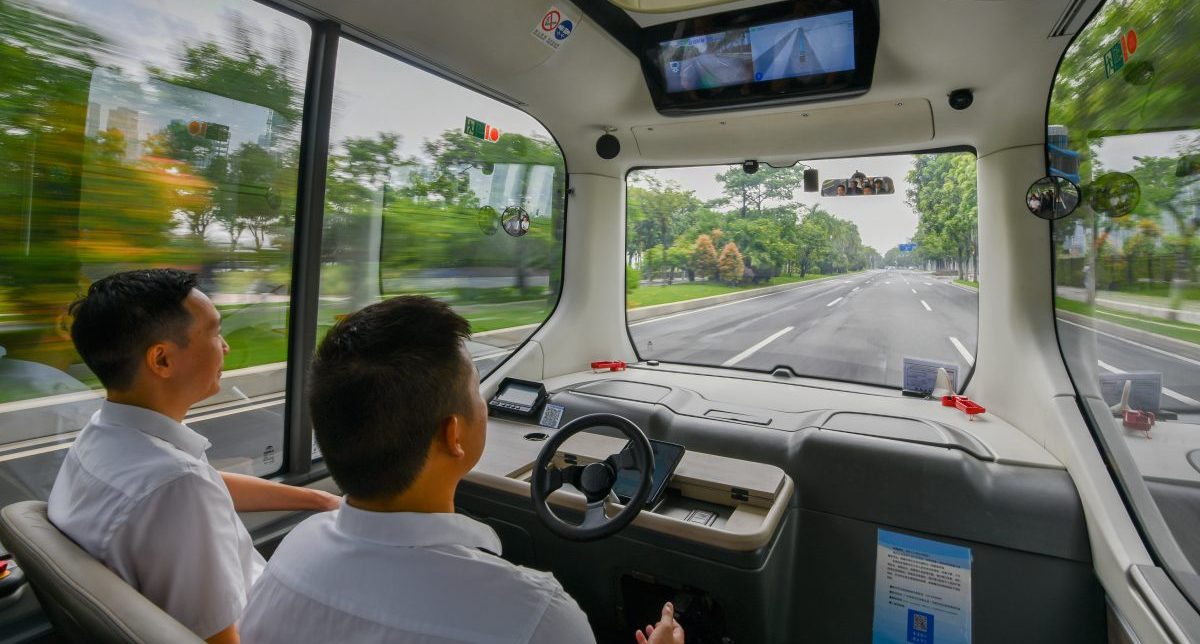
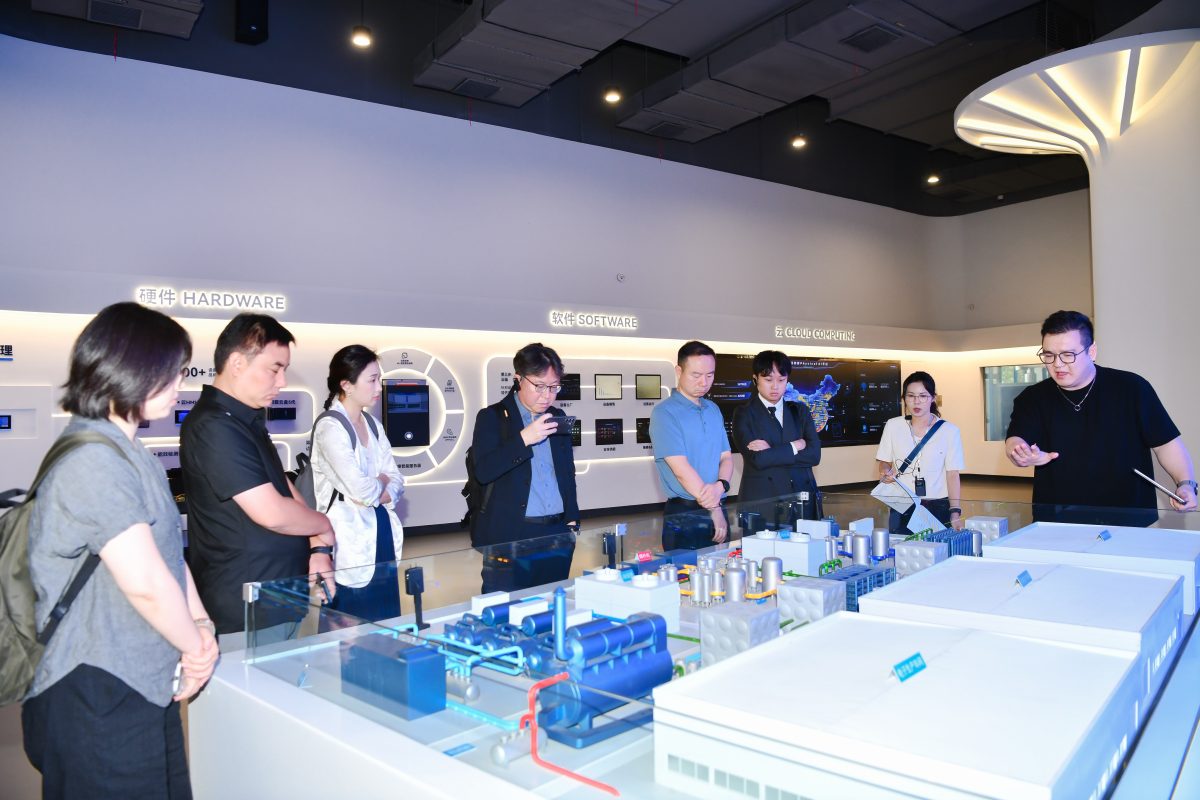 On the morning of the 15th, the attendees took a field trip to see and experience AI application scenarios in Nansha.
 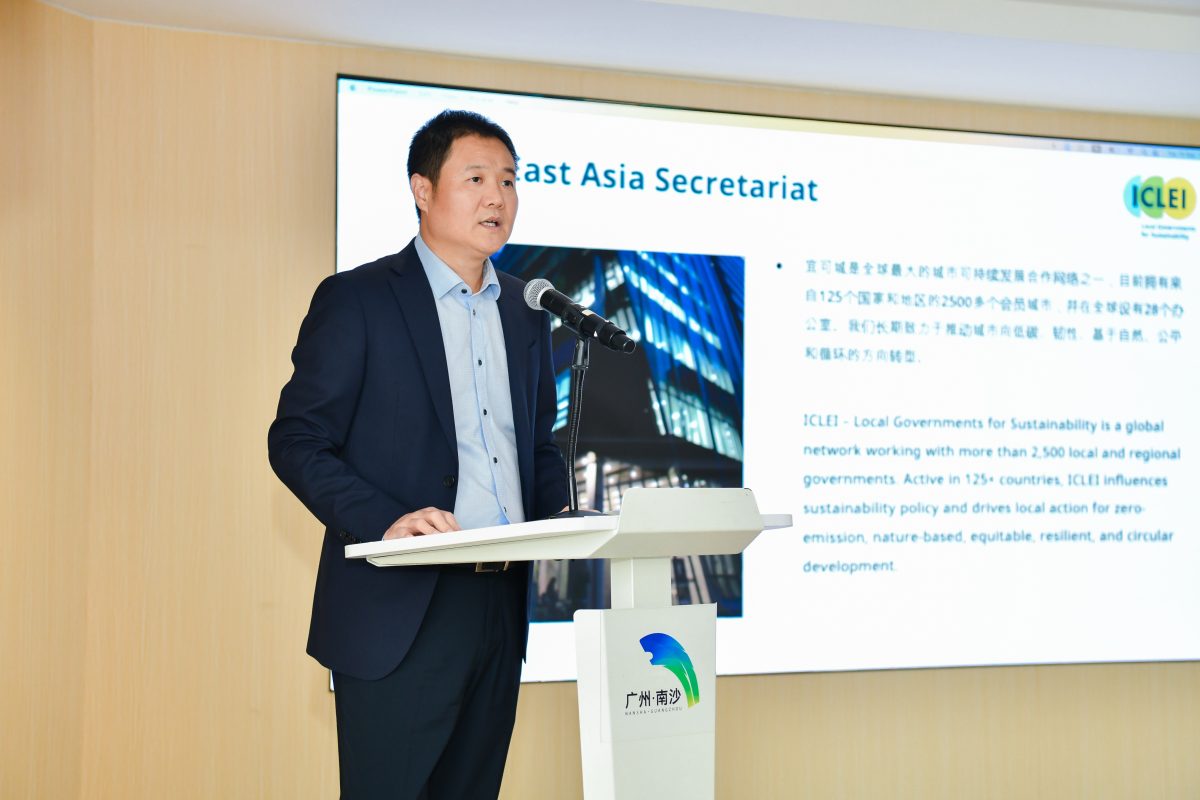 Zhu Shu, Director of ICLEI East Asia Secretariat
 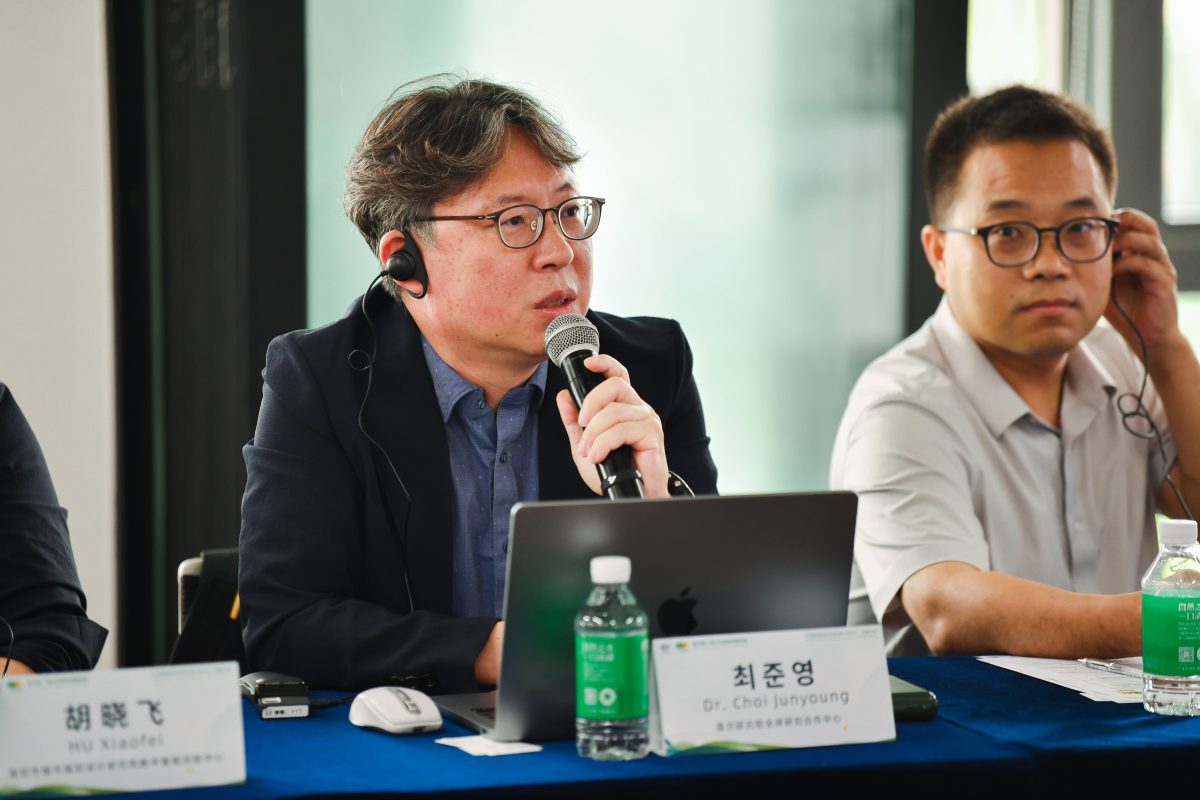 Dr. Choi Junyoung, Director / Senior Research Fellow, The Seoul Institute — Center for Global Research Cooperation
 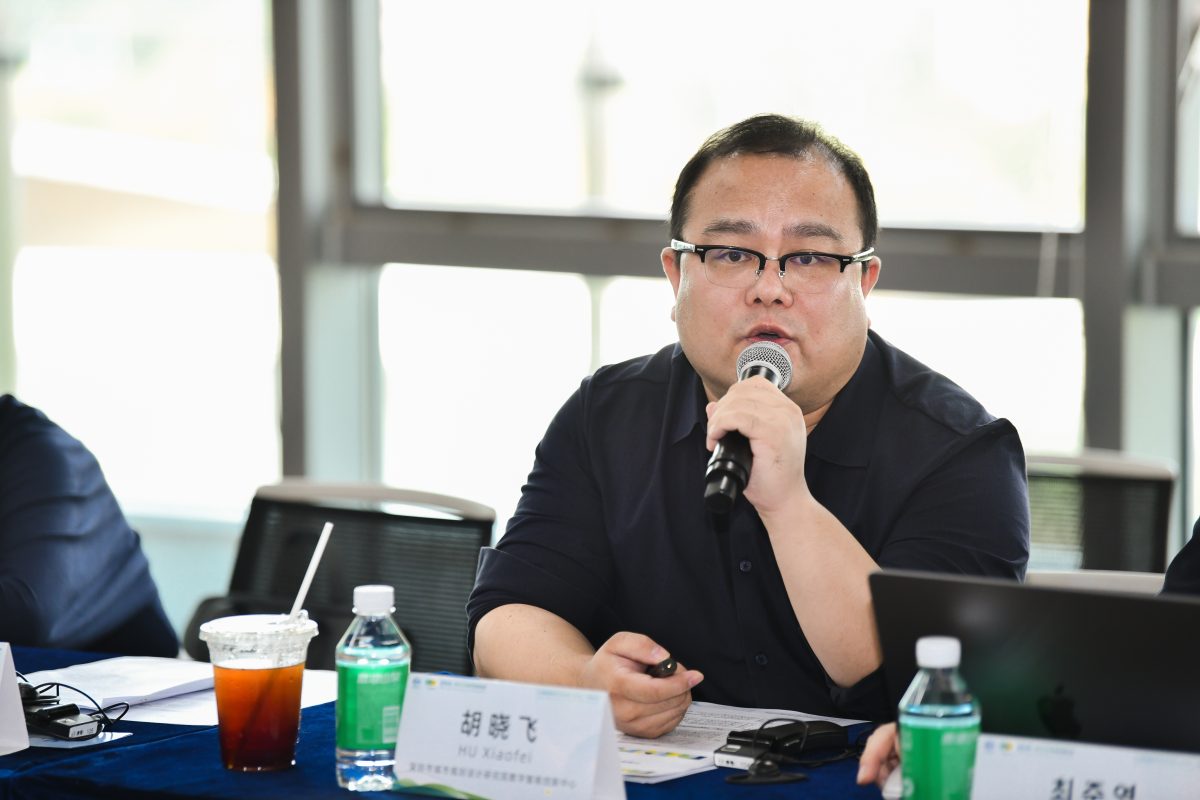 Hu Xiaofei, Deputy Director, the Digital Intelligence Innovation Center at the Urban Planning & Design Institute of Shenzhen
 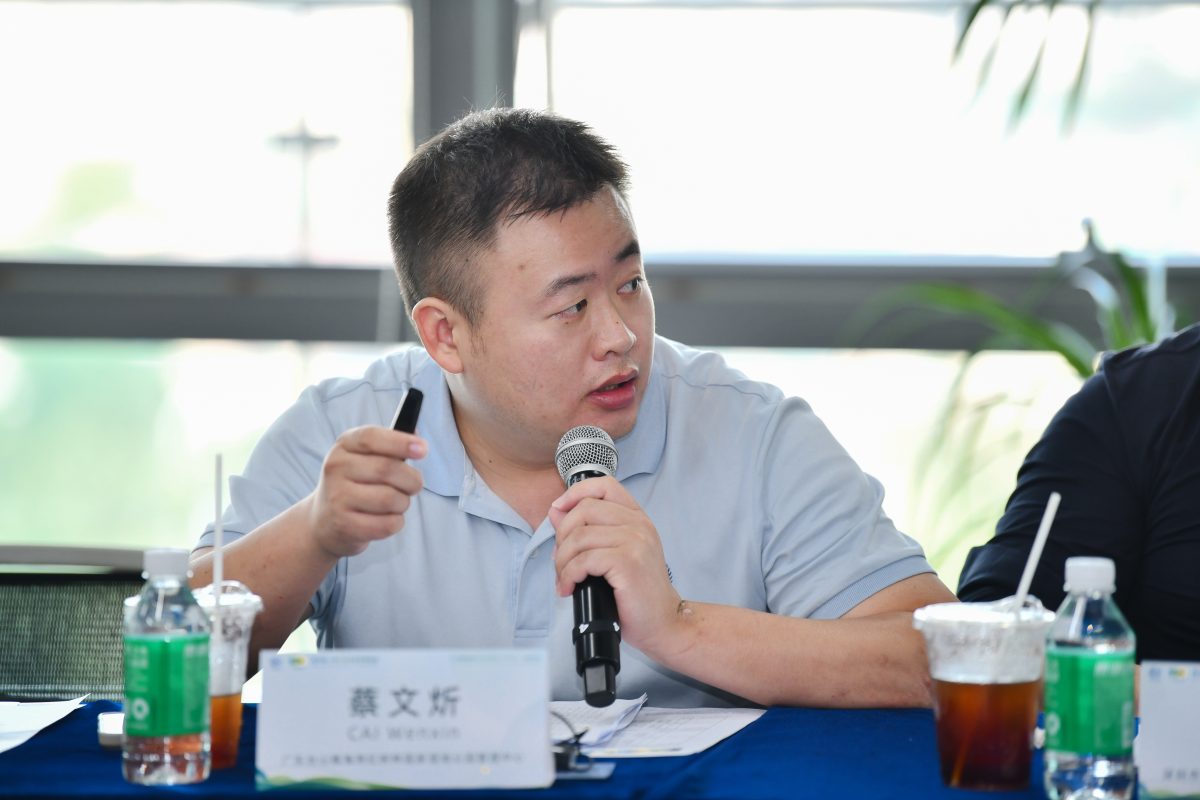 Cai Wenxin, Deputy Director, the Management Center of Guangdong Taishan Zhenhaiwan Mangrove National Wetland Park
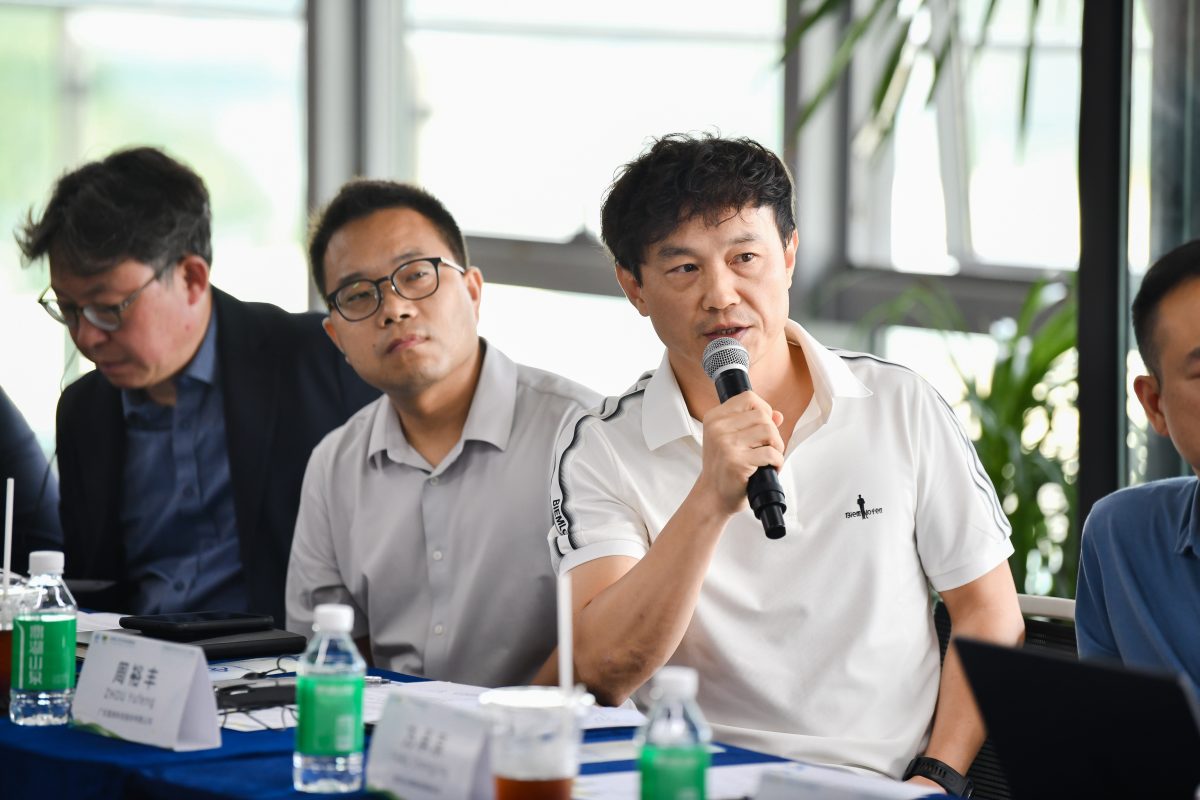 Zhou Yufeng, Chairman, Guangdong Guodi Science and Technology Co., Ltd.
 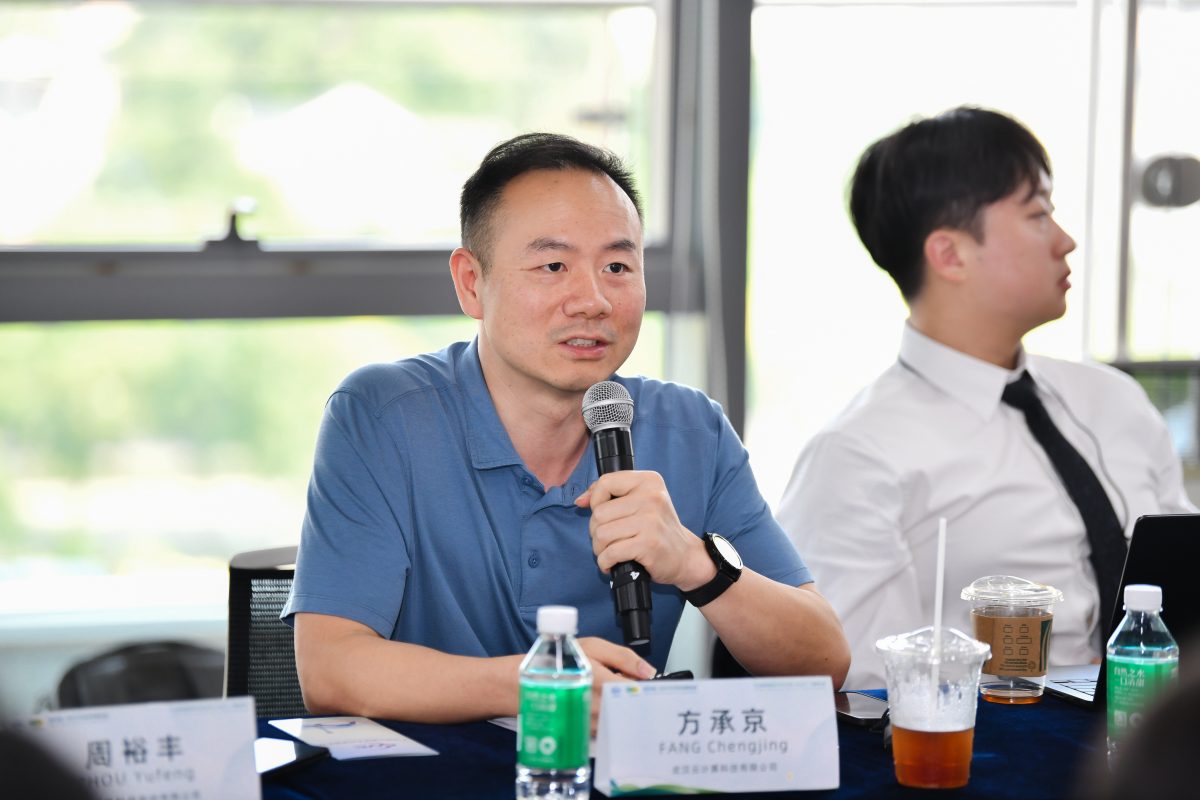 Fang Chengjing, President, Wuhan Cloud Computing Technology Co., Ltd.
 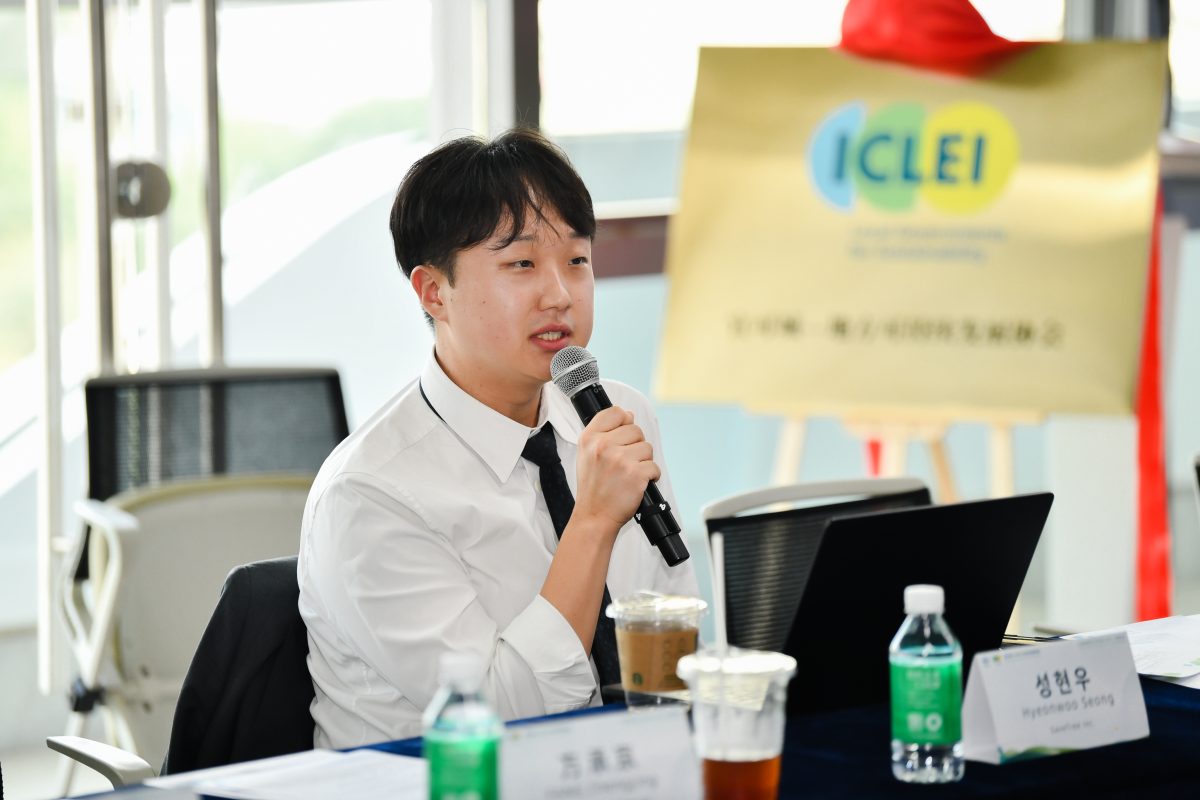 Hyeonwoo Seong, Chief AI Officer, Vice President, SaveTree Inc.
 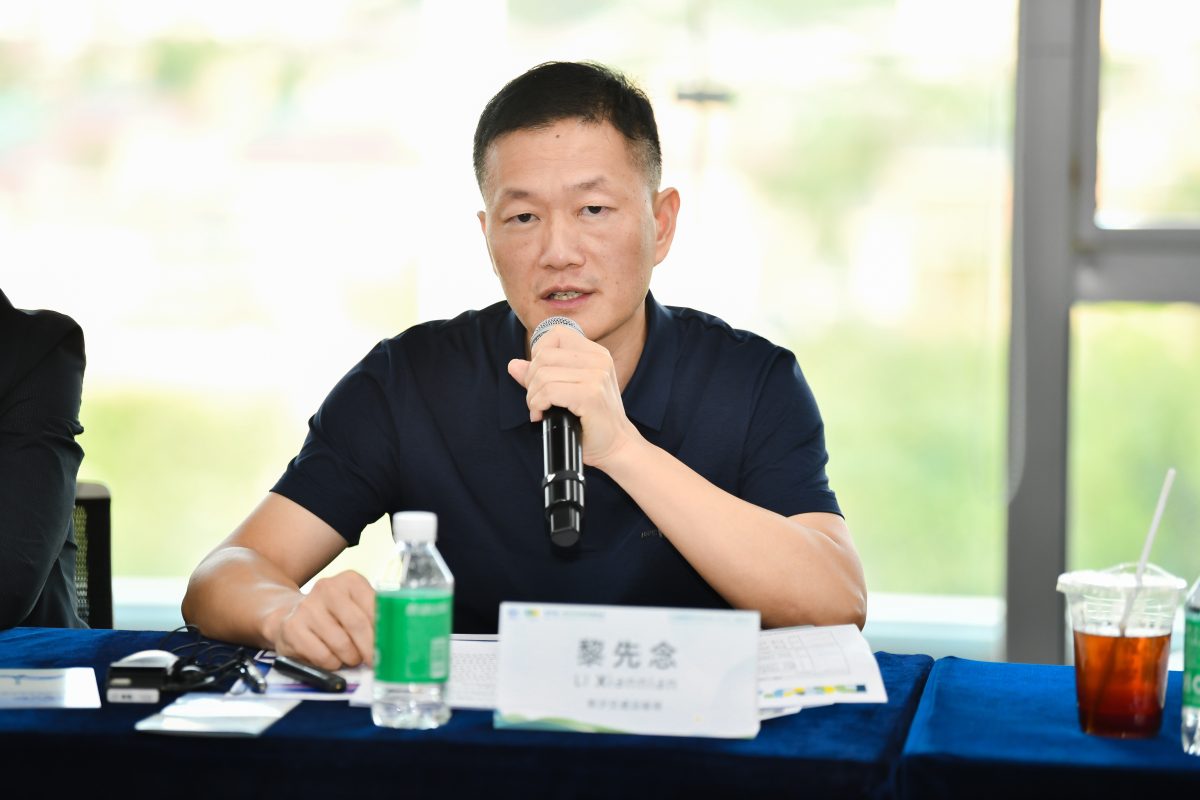 Li Xiannian, Nansha District Transport Bureau of Guangzhou Municipality
 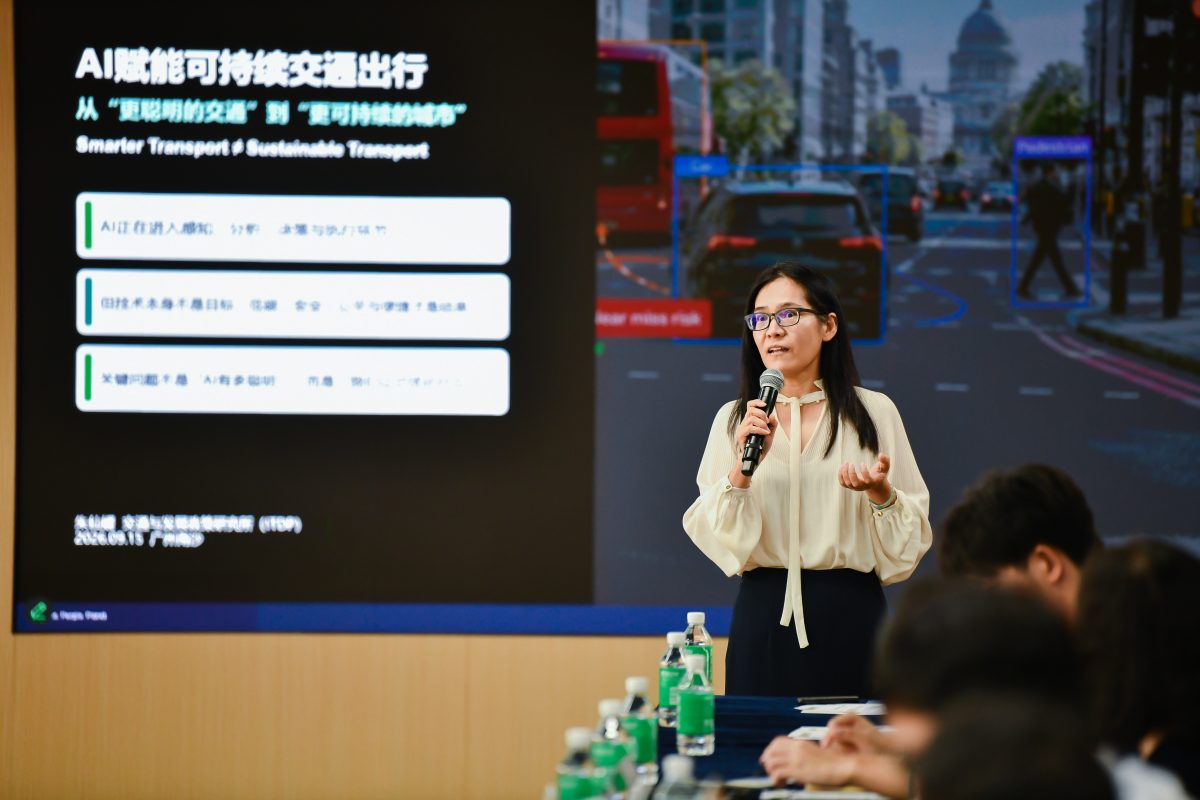 Zhu Xianyuan, Vice Regional Director, East Asia at the Institute for Transportation and Development Policy (ITDP)
 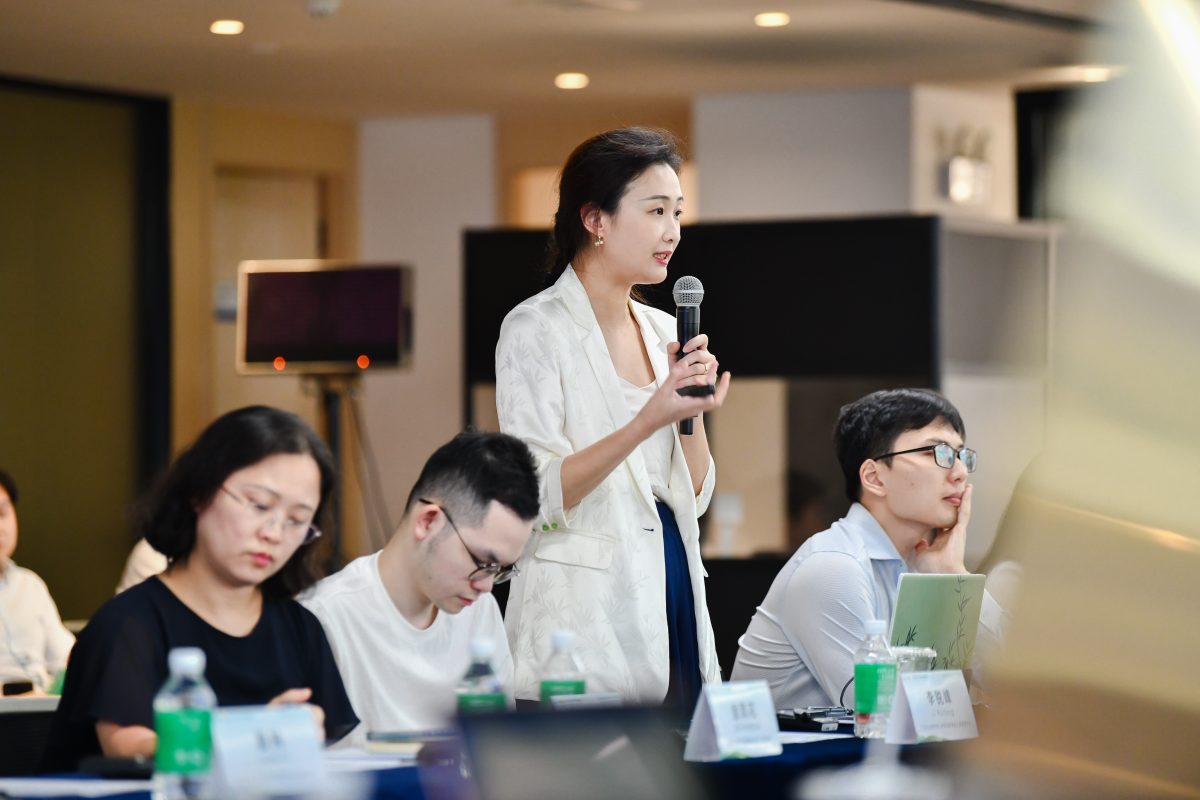 Zhang Yun, Chief Marketing Officer, Hubei Daily Shutong Technology Co., Ltd.
 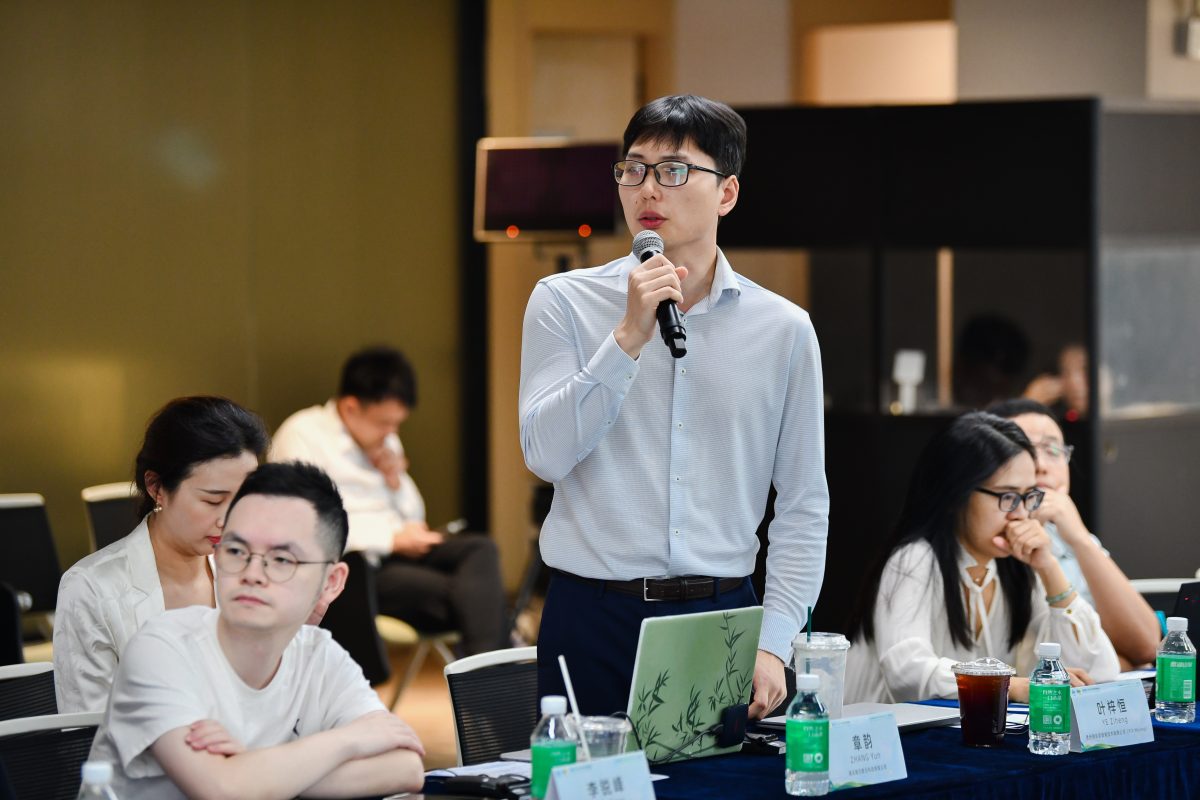 Ye Ziheng, Senior Overseas Business Manager, PIX Moving
 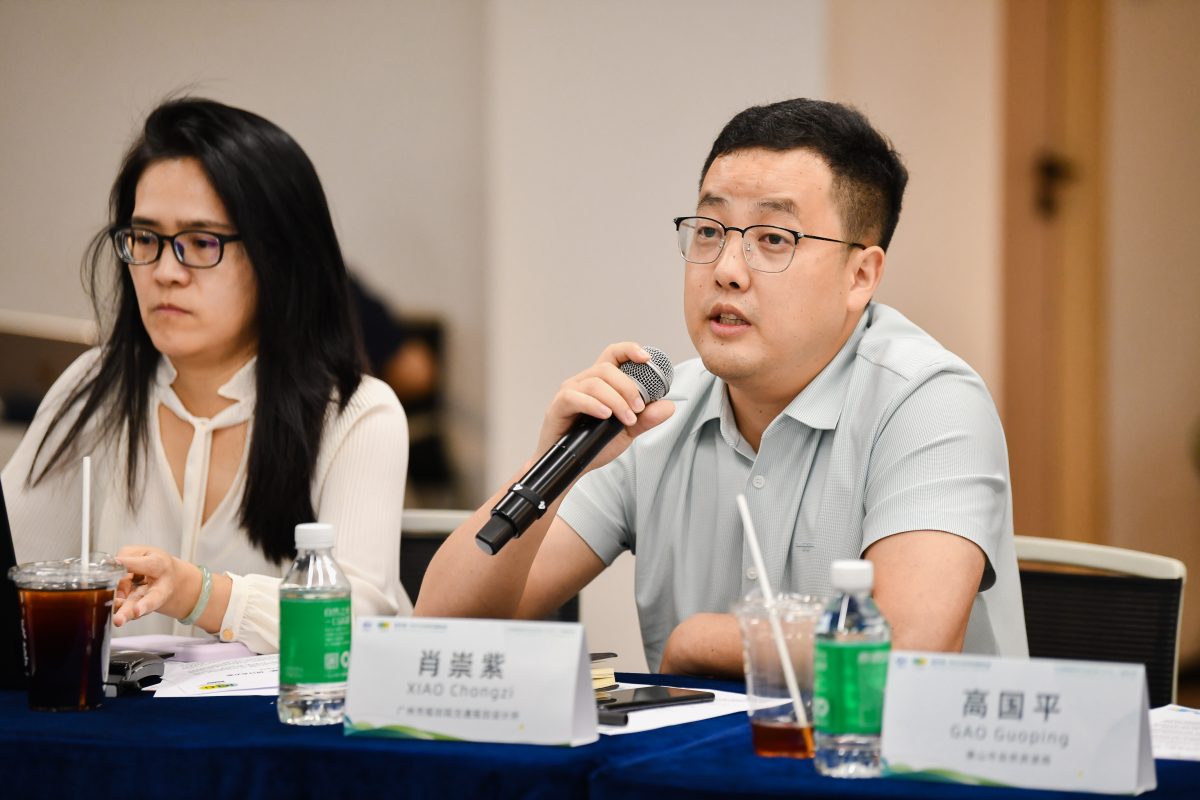 Xiao Chongzi, Head of the Transport Planning and Design Institute, Guangzhou Urban Planning & Design Survey Research Institute
 In recent years, emerging technologies, particularly artificial intelligence (AI), have expanded our imagination beyond traditional cities and opened up new possibilities to strengthen climate resilience and accelerate the transition toward sustainable development. In 2026, the ICLEI East Asia Secretariat launched the AI for Urban Sustainability (AI4US) project to establish a platform for knowledge exchange and collaboration among cities, as well as between cities, businesses, and academia. The project aims to promote the equitable and safe integration of AI into climate action and sustainable urban development.
The second AI for Urban Sustainability (AI4US) workshop was successfully held on 15 September 2026 in Nansha District, Guangzhou, organized by the ICLEI East Asia Secretariat and co-hosted by the Guangzhou Nansha International Cooperation Center. Focused on the themes of “AI Empowering Urban Sustainable Transformation” and “AI Empowering Sustainable Mobility”, discussions explored how emerging technologies can improve welfare for urban residents and achieve the goals of green, safe, resilient, and livable urban development, while fostering collaboration among government, business, and academia.
On the morning of the 15th, delegations from Chinese cities and Seoul visited the Nansha Bay Smart Parking System and took a ride on an autonomous smart minibus. They also toured the Guangzhou Urban Planning & Design Survey Research Institute to examine its all-around, 3D, and intelligent low-altitude remote sensing monitoring network, and visited Guangdong Mogulinker Technology Co., Ltd. to explore applications of AI and the Industrial Internet of Things (IIoT).

On the morning of the 15th, delegations from Chinese cities and Seoul visited the Nansha Bay Smart Parking System.
On the afternoon of the 15th, the workshop convened at Nansha Chuangxiang Bay. In his opening remarks, Zhu Shu, ICLEI East Asia Secretariat Director and China Representative, noted that AI technology helps cities advance green and low-carbon transformation; however, it is essential to recognize and address risks in areas such as data security, algorithmic ethics, and the digital divide. ICLEI East Asia Secretariat will leverage the AI4US project and collaborate with its member city network to further explore innovative urban AI solutions and partnerships.
As a State-level New Area, Nansha has hosted over 120 artificial intelligence enterprises and established model projects in smart ports and autonomous driving. Liu Xiaotong, Member of Standing Committee of CPC Nansha District Committee, delivered a welcome speech. Nansha will strengthen its role in facilitating international AI urban cooperation, and it welcomes more cities and partners to join hands with Nansha to explore and implement AI-empowered sustainable urban transition.
In his remarks, Lei Weiju, official of Guangdong Foreign Affairs Office, highlighted Guangzhou’s efforts to harness AI to drive urban development. Guangzhou is fully committed to building itself into a “Capital of Vertical AI Models” with global influence and a nationally leading demonstration hub for AI applications. He expressed hope that Guangzhou would showcase its experiences on the international stage through the ICLEI’s platform. He also hoped the workshop would provide an opportunity to explore new pathways to synergize policy, technology, and the market, and further translate AI innovations into tangible actions.
Following the opening remarks, a plaque unveiling ceremony marked the official establishment of the ICLEI East Asia Secretariat office at the Nansha International Cooperation Center, ushering in a new stage of bilateral cooperation. Since Nansha District joined ICLEI in 2024, it has subsequently joined the CitiesWithNature platform and received the 2026 Global Electric Mobility Association Network (GEAN) Award for its outstanding performance in sustainable mobility and innovation.
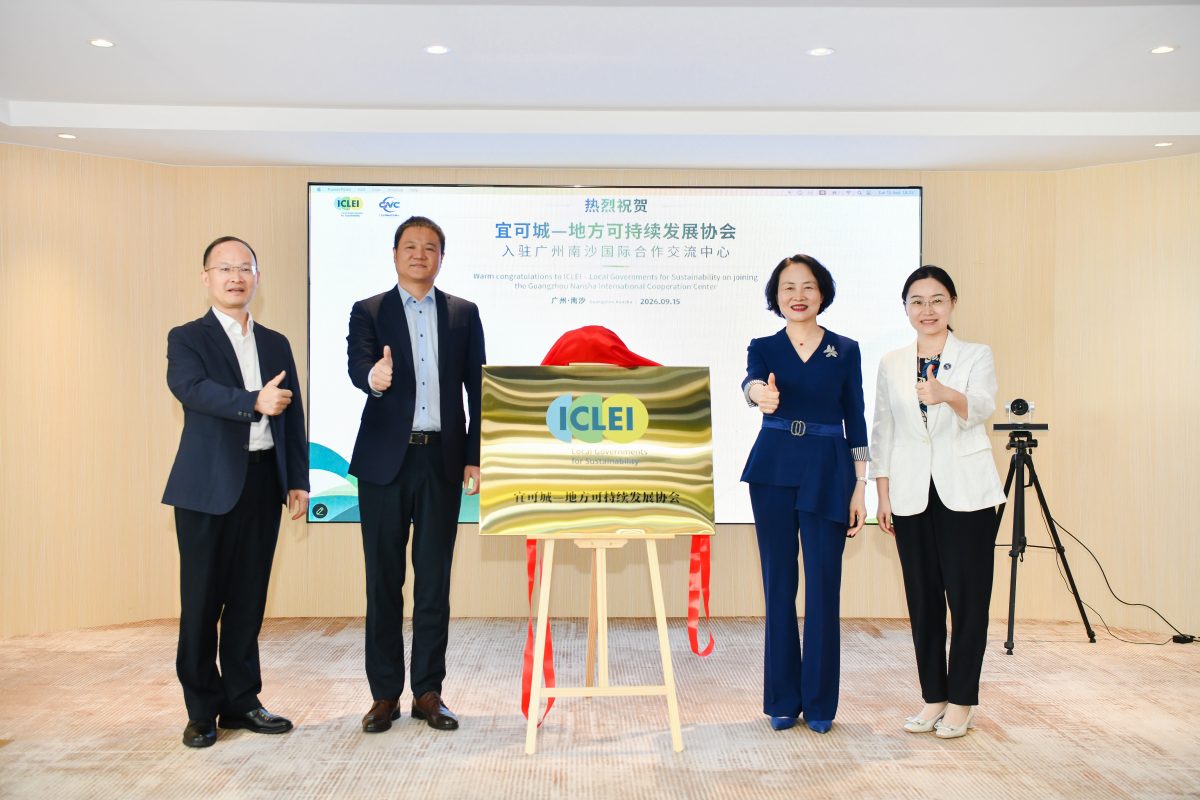
An unveiling ceremony was held to celebrate the official establishment of the ICLEI East Asia Secretariat office at the Nansha International Cooperation Center. The event featured several distinguished attendees, including Lei Weiju, Level II Bureau Rank Official of the Guangzhou Foreign Affairs Office; Zhu Shu, ICLEI East Asia Secretariat Director and China Representative; Liu Xiaotong, Member of the Standing Committee of the CPC Nansha District Committee of Guangzhou; and Luo Yun, the Director of the Hong Kong and Macao Affairs Office of the Nansha Development Zone.
During the “AI-Empowered Sustainable Urban Transformation” session, city representatives from China and South Korea shared innovative approaches to using AI to drive urban green transformation and improve biodiversity. Dr. Tanya Baycheva-Merger, the Green Digital Transformation Expert at the ICLEI European Secretariat, shared ICLEI’s approach and progress in supporting European cities on AI pilot projects and capacity building. The ICLEI Action Fund has funded 16 European climate action projects, including building energy consumption prediction, identifying energy-poor households, and wildfires early warning systems. Additionally, ICLEI has developed a basic AI training course to build AI literacy capacity and a Responsible AI Toolkit to promote core principles such as transparency, fairness, and data protection.
Driving a profound digital paradigm shift, AI is moving beyond an efficiency tool to support and shape decision-making in urban governance. Jia Baohua, Distinguished Professor at RMIT University, noted that AI will transform future urban life, changing how people perceive their daily needs and how they view urban spaces and resources. As Zhou Yufeng, Chairman of Guangdong Guodi Science and Technology Co., Ltd., pointed out, AI’s core value lies in helping decision-makers identify problems more clearly and accurately and develop possible solutions. Through the three key stages of rendering and modeling, scenario simulation, and human-assisted decision-making, cities can identify problems earlier, compare alternatives more effectively, and remain accountable for every decision.
AI is reshaping how cities approach planning and governance. Dr. Choi Junyoung, Director and Senior Research Fellow of Center for Global Research Cooperation at the Seoul Institute, explained that under the framework of the “2040 Seoul Plan”, Seoul pursues comprehensive AI integration into spatial planning, transportation strategy, as well as ecological and environmental planning, while actively advancing the deployment of autonomous vehicles. Likewise, in Shenzhen, AI plays a supportive role in urban design and planning. The technology has assisted with rapid site selection and planning compliance checks; it can automatically detect illegal street parking and generate renovation solutions; and it can quantitatively forecast the outcomes of ecological restoration efforts.
As AI sensing technology is deployed in natural ecosystems, it is opening new possibilities for creating a more harmonious urban-nature relationship. Located in the key stopover for migratory birds in the East Asia–Australasia Flyway, Taishan Zhenhai Bay Mangrove National Wetland Park is using the province’s first integrated space-air-ground intelligent monitoring system for mangroves. Cai Wenxin, deputy director of the park’s management center, said the system uses high-definition cameras, acoustic monitoring and drones to automatically monitor the mangrove ecosystem and bird populations around the clock. In another case highlighted by the Guangzhou Planning Institute, an ecological restoration project in Nansha’s coastal area has employed a three-dimensional 70-square-kilometer defense model to predict marine disasters and support the precise creation of suitable habitats.
Similarly, AI technology can also help greening urban spaces. Seong Hyeonwoo, Chief AI Officer and Vice President of SaveTree Inc., explained an innovative urban tree survey and health assessment solution in cities across South Korea. The system uses regular LiDAR scans to create digital twin models of trees, helping city officials identify species, monitor growth changes, and assess safety risks. The system also simplifies desktop reporting for urban tree management.
The “Wuhan Cloud” initiative demonstrates that unified data and digital infrastructure form the foundation of AI’s ability to “perceive the city.” By assigning 21-digit “ID numbers” to urban objects and connecting 300,000 cameras and 130,000 sensors, “Wuhan Cloud” has built a unified urban digital platform and established a six-step closed-loop governance mechanism spanning perception, analysis, early warning, response, and evaluation.
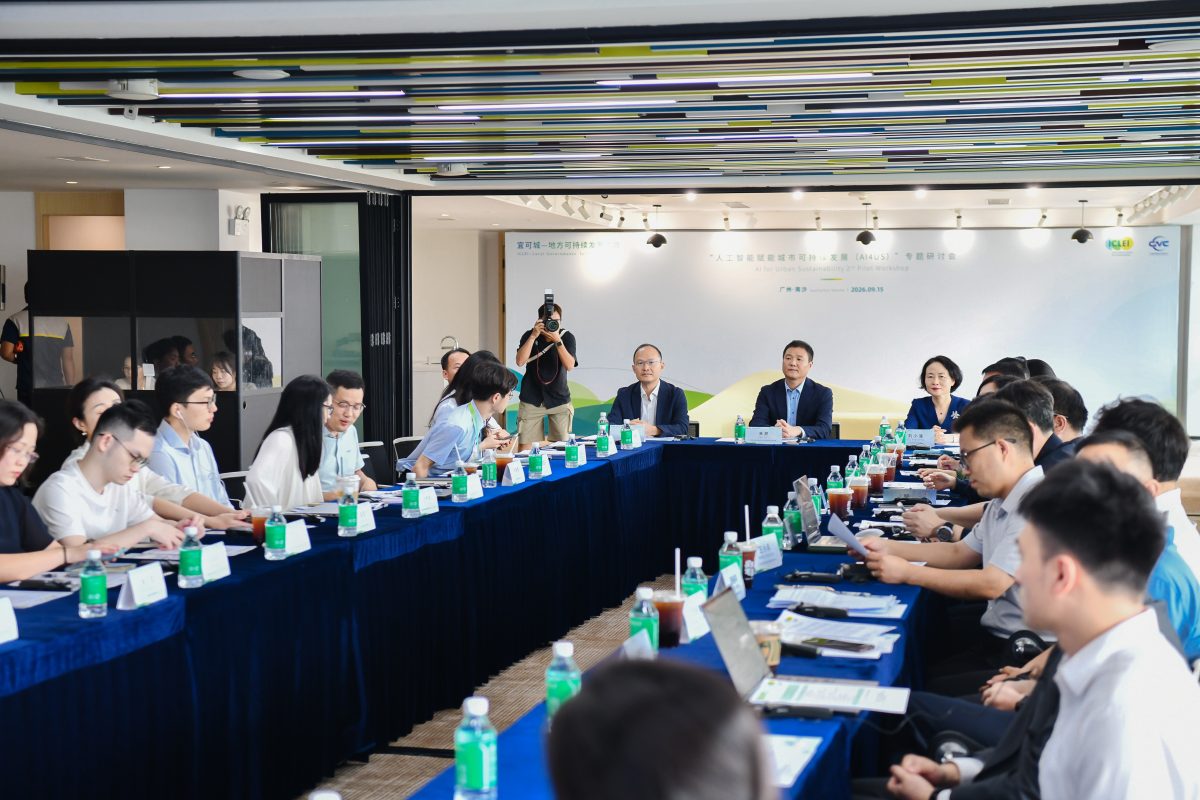
“AI for Urban Sustainability (AI4US)” workshop
Under the session “AI for Sustainable Urban Mobility,” the workshop turned its attention to a critical component of urban life: transport. Globally, the transport sector accounts for around 15–20% of carbon dioxide emissions and is a major source of urban air pollution, with road transport contributing the largest share. Speakers in the session highlighted how AI can improve the efficiency of both public and private mobility, enable more accurate forecasting of travel and traffic patterns, and accelerate the transition toward greener, low-carbon mobility.
Li Xiannian, Deputy Director of the Nansha District Transport Bureau, shared Nansha’s pioneering experience in developing an integrated zone for intelligent connected vehicles. He noted that Nansha began introducing policies to open roads for autonomous vehicle testing in 2017 and has since opened 900 kilometres of roads across the district for testing. To date, cumulative testing mileage has exceeded 16 million kilometres, with 388 vehicles deployed in commercial operations and demonstration projects. Looking ahead, Nansha plans to expand testing to expressways and other major roads, advance cross-city mutual recognition of testing and operating qualifications across the Greater Bay Area, and reduce costs while improving the efficiency of roadside infrastructure.
Nansha’s initiative also echoes with other international cities. The Seoul Metropolitan Government (SMG) believes the purpose of autonomous driving technology should particularly focus on improving mobility for disadvantaged and vulnerable groups, as well as residents with limited access to public transport. Lee Chaeyeon, Manager of the Transportation Policy Division at the Seoul Metropolitan Government’s Transportation Bureau, introduced Seoul’s experience on autonomous driving demonstration zones in areas including Sangam, Cheonggyecheon, Cheong Wa Dae, Gangnam, and Dongdaemun, fostering a public-private partnership model that brings together the city government, technology companies, and industry associations.
Autonomous driving represents a new perspective to envisioning cars as diverse “mobile spaces.” Building on its self-developed skateboard chassis and physical AI-based mobile space solutions, PIX Moving demonstrated the potential for intelligent vehicles to support a wide range of applications across smart city and cultural tourism settings.
From autonomous vehicles to intelligent urban mobility systems, the convergence of AI and transport is opening up new possibilities for cities. Zhu Xianyuan, Vice Regional Director of East Asia at the Institute for Transportation and Development Policy (ITDP), noted that AI’s core value lies in helping cities better sense and understand their transport systems, while incorporating people’s mobility needs, as well as considerations of low-carbon development, equity, safety, and efficiency into algorithmic decision-making. Innovative solutions such as demand-responsive transit and zero-carbon freight corridors, she emphasized, require cities to continuously listen to feedback from travellers, ensuring that technological innovation responds to the real needs of cities and their residents.
Industry applications further demonstrate how AI-enabled urban mobility can be translated into concrete solutions. Built on a framework for the authorized use of public data and a secure, trusted data environment, AI can analyze traffic flows in real time and dynamically adjust traffic signal timings. As Hubei Daily Shutong Technology Co., Ltd. introduced, the solution has significantly reduced vehicle stops at intersections.
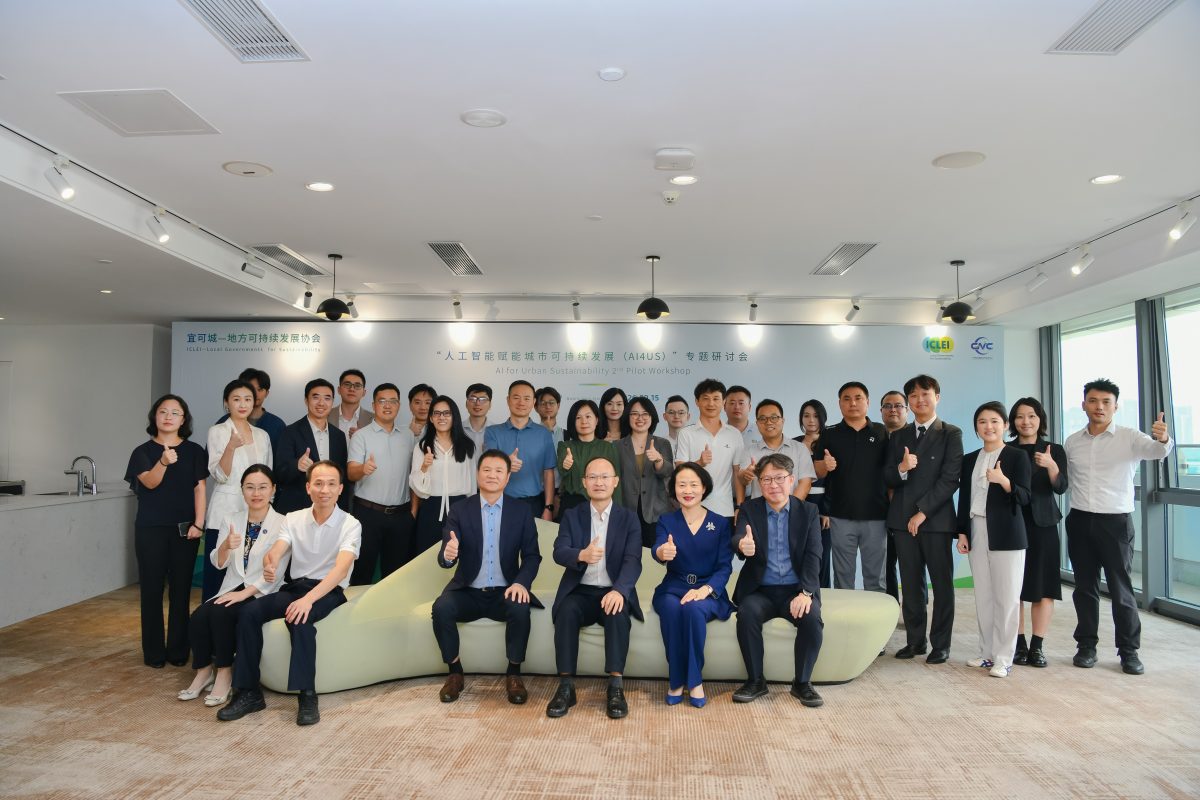
Group photo of the workshop
From verifying land-use plans and monitoring the growth of individual trees to assessing a city’s exposure to disaster risks, AI is giving cities increasingly sophisticated tools to perceive, analyse, and anticipate changes across the urban environment. Yet as these capabilities advance, so too must the conversation around the risks and challenges of applying AI in cities. How can emerging technologies be translated into mature, scalable solutions? How can cities bridge the digital divide while ensuring that a just, green and low-carbon transition are reflected in AI modelling? How to ensure automated decisions are made transparent and accountable? And how can cities develop solutions that are evidence-based, verifiable, and replicable, helping to narrow the inequality gap in technology access?
During the first roundtable discussion, panelists focused on the critical juncture where AI technology to practical application. Currently, AI applications face bottlenecks such as difficulties in opening up application scenarios, lagging standards, and a lack of sustained demand. They highlighted expectations for governments to rethink their role—not only as regulators and administrators, but also as “problem setters” that articulate real urban needs and “first customers” for innovative solutions. By establishing standardized mechanisms for data sharing and model evaluation, governments and businesses can work together to build a public-private ecosystem in which technologies are tested, refined, and scaled through real-world applications. This approach can turn grounded urban needs into a driver of technological development, ultimately delivering tangible benefits for residents.
In this note, Seoul has already demonstrated its inclusive approach. Alongside policy and regulatory guidance and support for the market ecosystem, the city is working to build public trust in AI-enabled urban governance by strengthening residents’ AI literacy and expanding opportunities for public participation and deliberation.
The second thematic roundtable focused on building a people-centred transport transformation. Speakers highlighted that AI can serve not only as a tool for improving transport efficiency, but also as an enabler of a broader shift in transport governance. With prediction, cities should move from reactive problem-solving to proactively anticipating emerging risks and needs.
This requires governments to define clear transportation objectives for public interest, establish clear lines of responsibility, and put in place trusted mechanisms for data sharing and evaluation, while working with businesses and other stakeholders to foster a healthy ecosystem for innovation and practical application.
Moving forward, ICLEI East Asia Secretariat will continue to deepen cooperation with Nansha and member cities through the AI4US project, promote mutual learning and exchange among cities in the region, and bring more cities worldwide into the conversation. ICLEI will continue to contribute to advance more sustainable, inclusive, and resilient urban development in the AI era.