China Cities Day: How Cities Are Leading the Way in Global Biodiversity

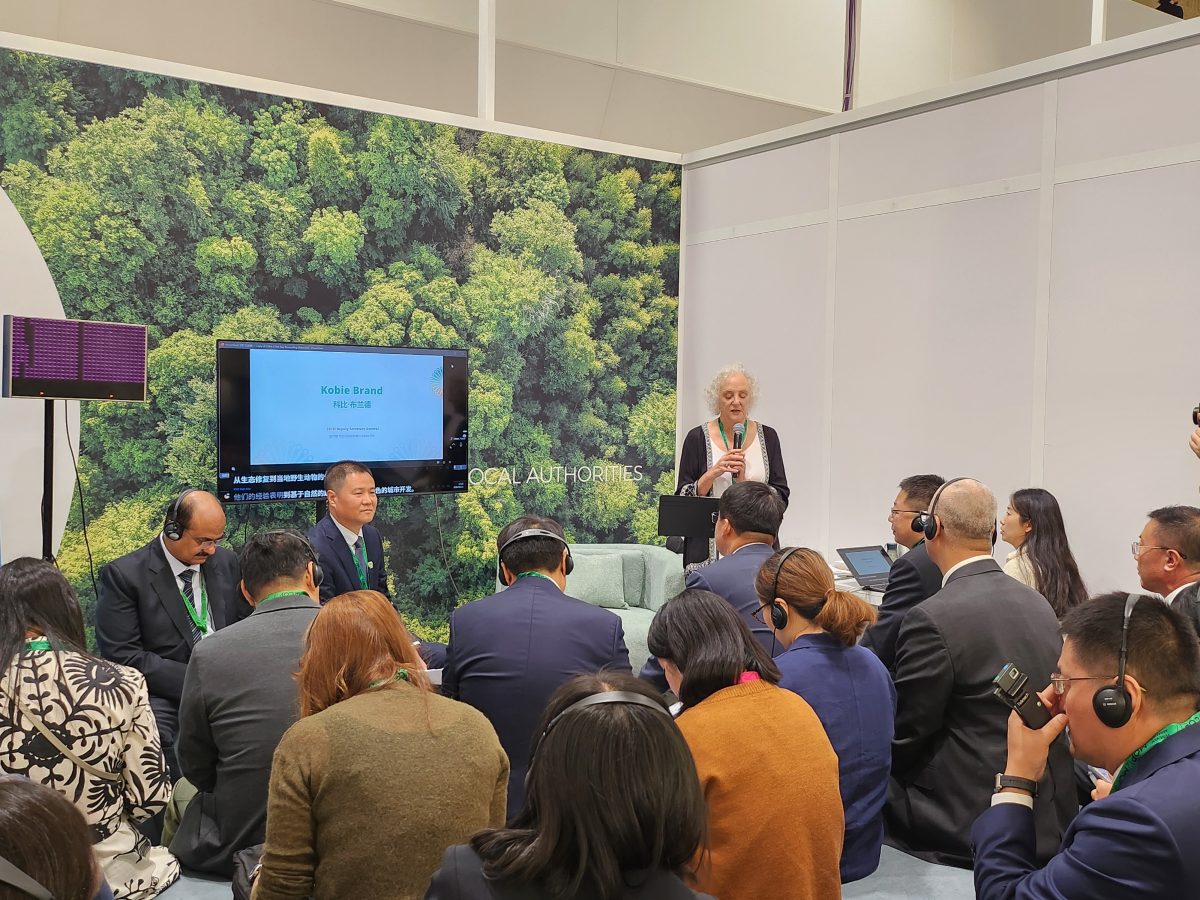 Kobie Brand, Deputy Secretary-General of ICLEI, joined the Event and delivered an opening remark
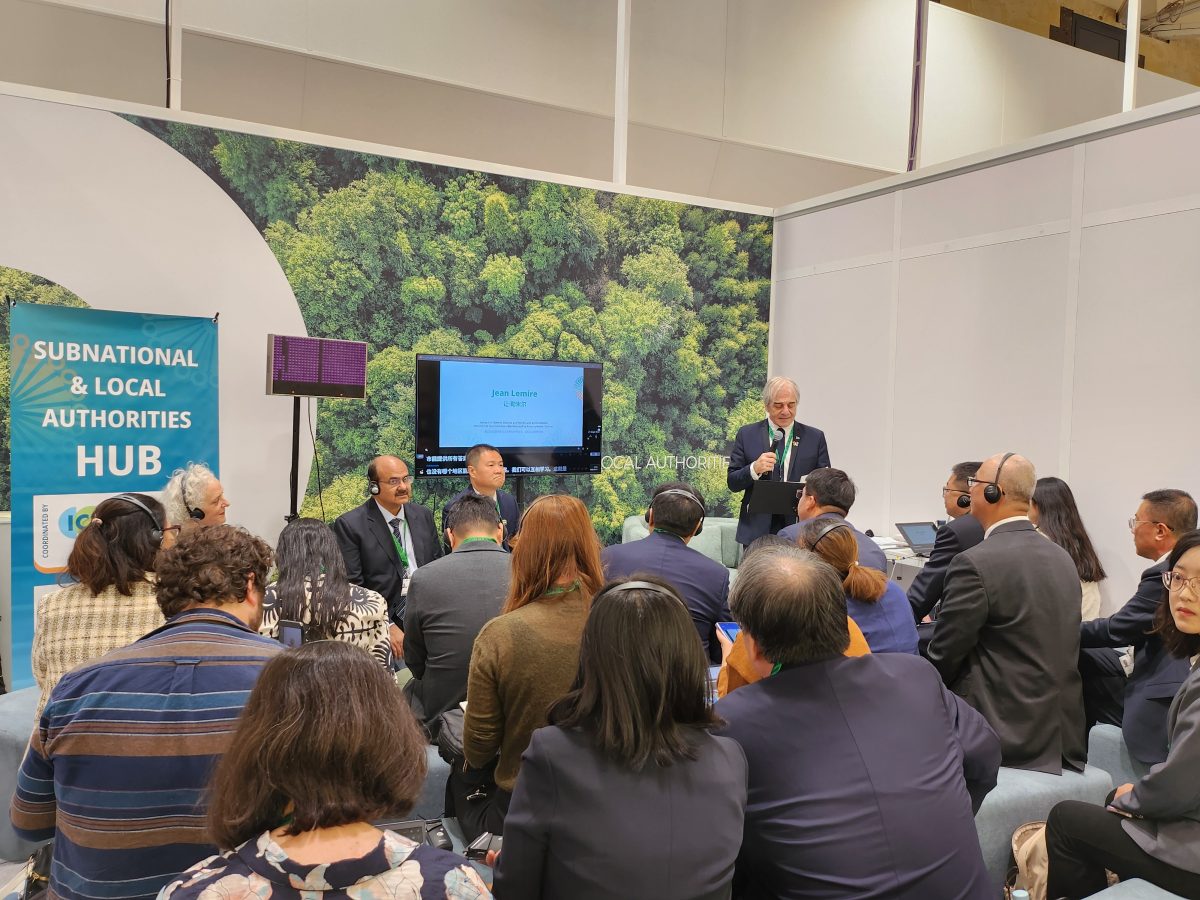 Jean Lemire , Envoy for Climate Change and Nordic and Arctic Affairs, Ministry of International Relations and La Francophonie, Quebec
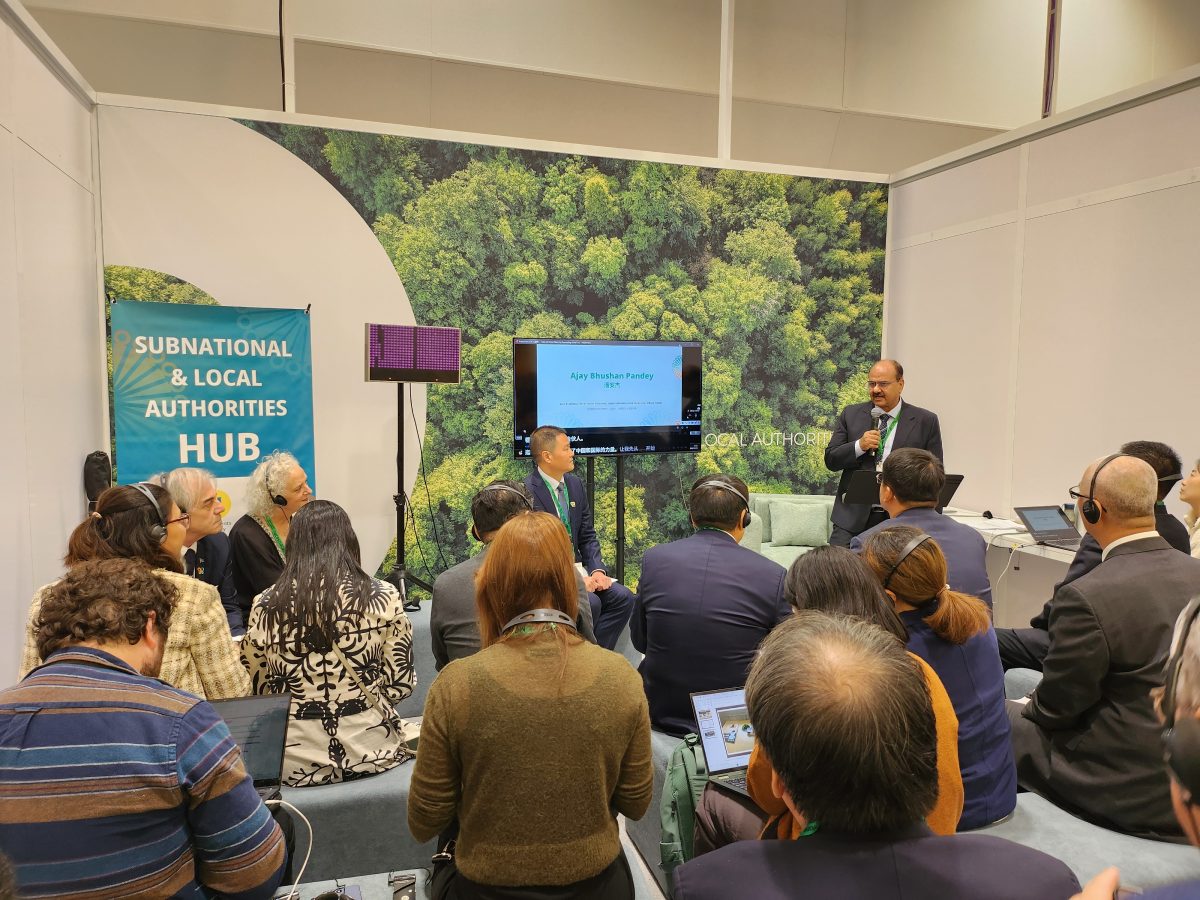 Ajay Bhushan Pandey, Vice President, Investment Solutions, Asian Infrastructure Investment Bank (AIIB)
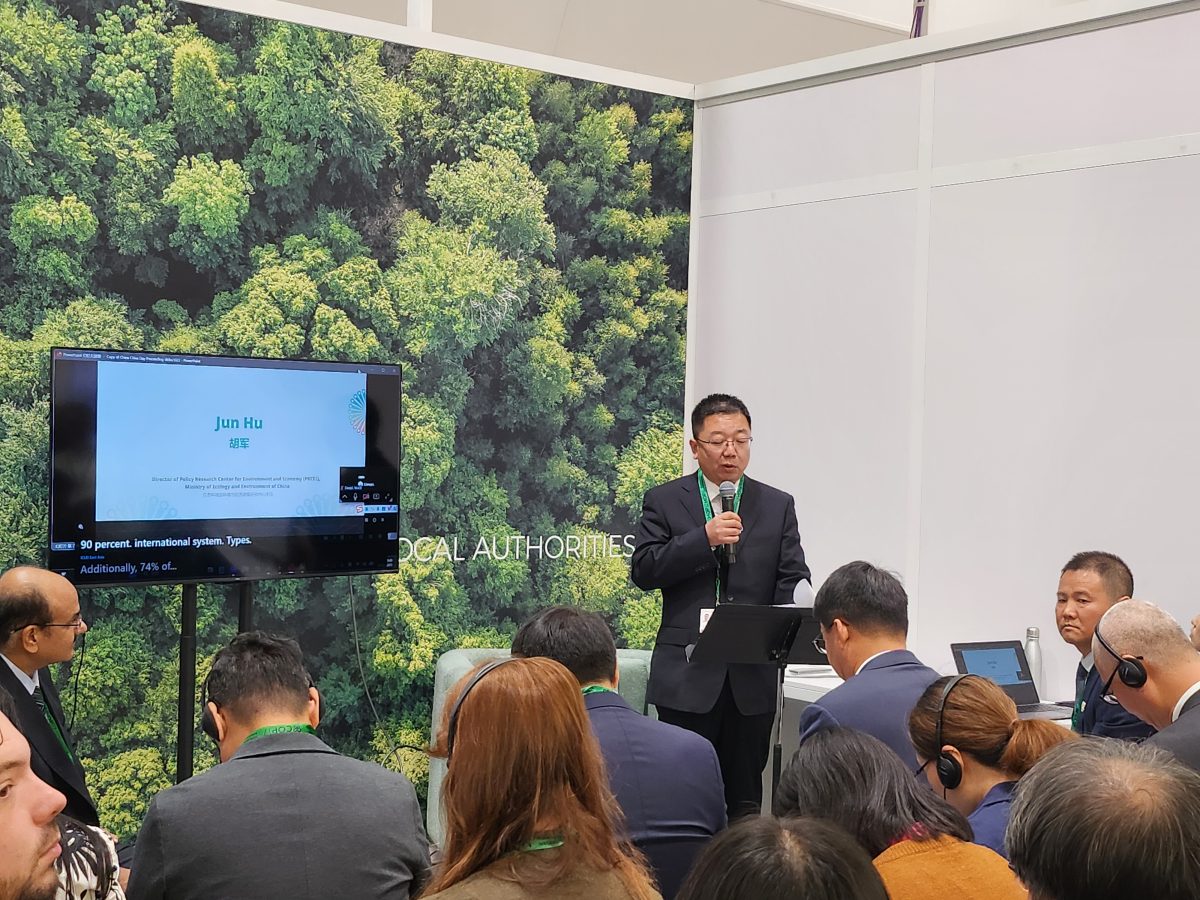 Jun Hu, Director of Policy Research Center for Environment and Economy (PRCEE), Ministry of Ecology and Environment of China
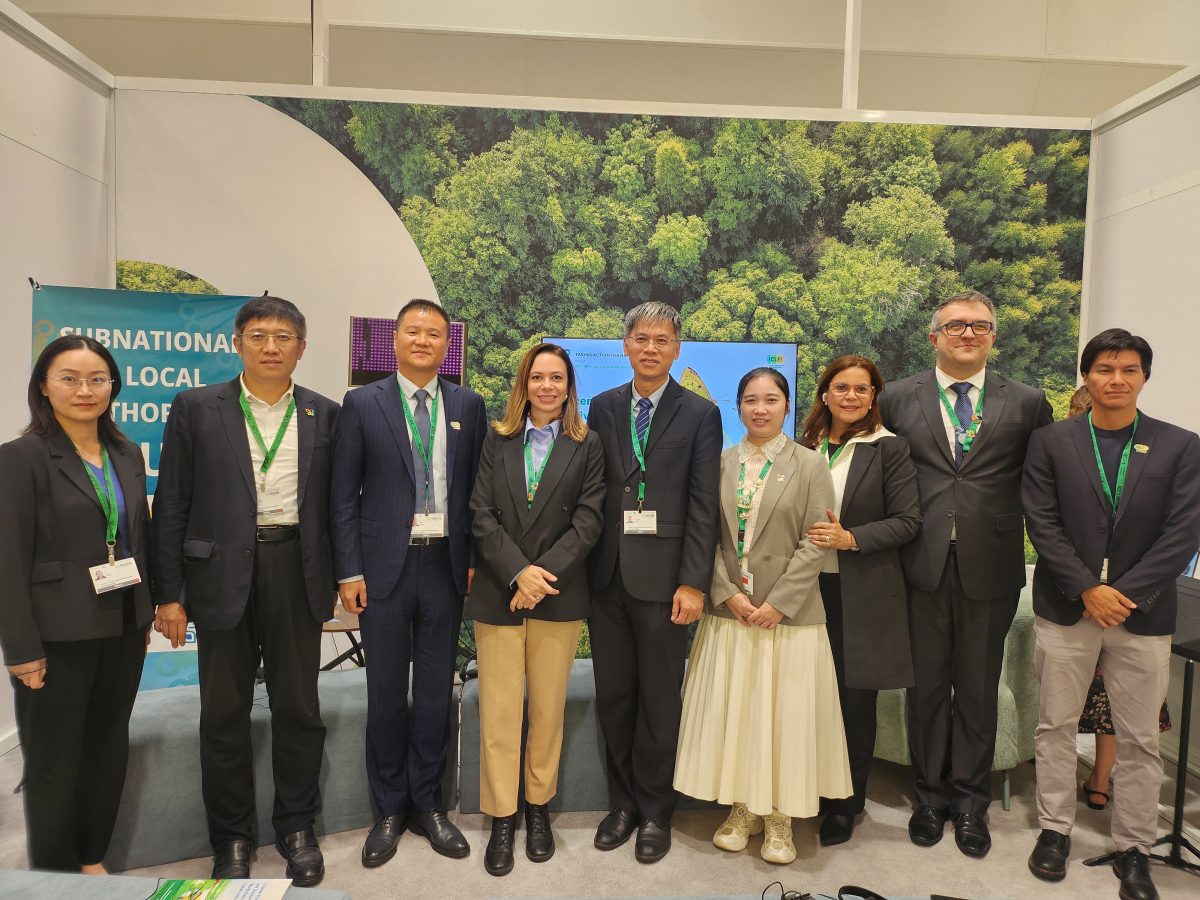
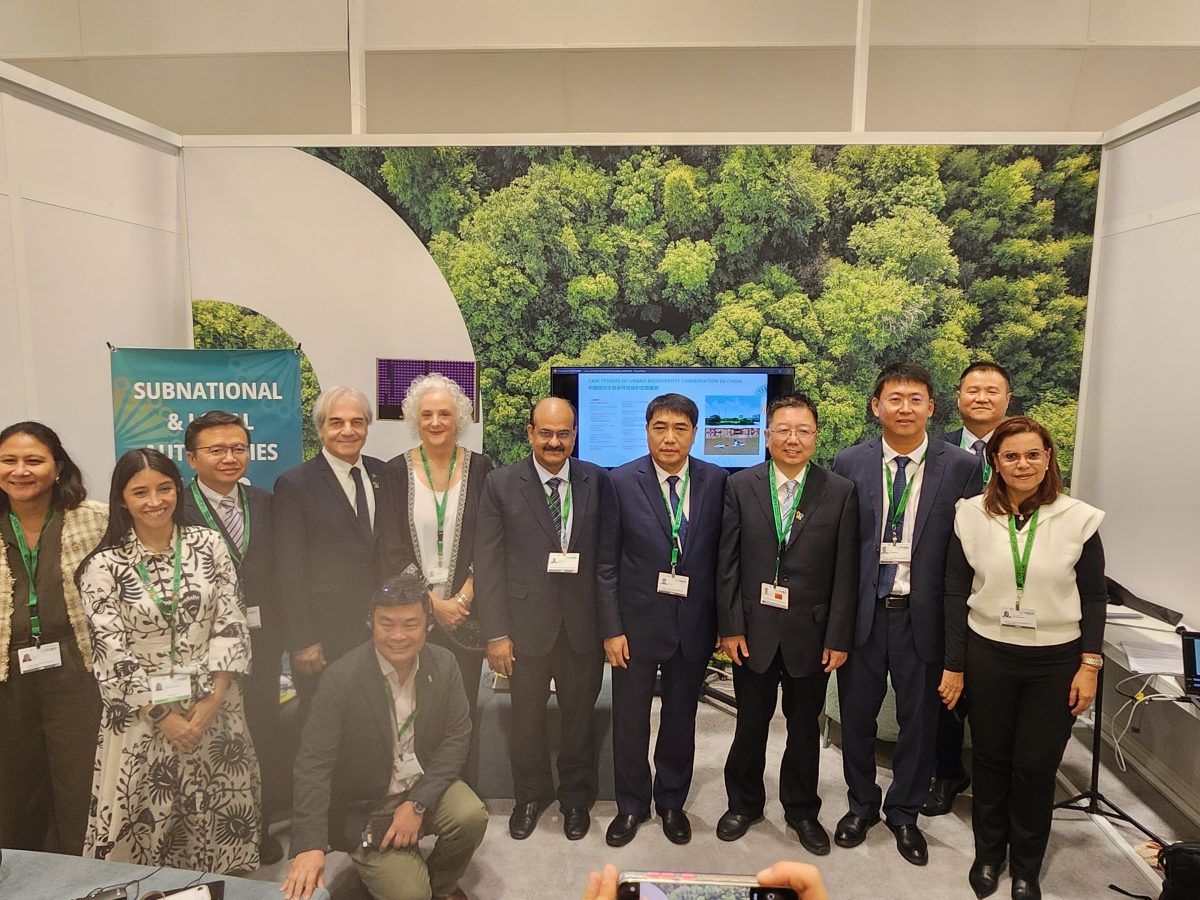 Group photo of the Opening speakers
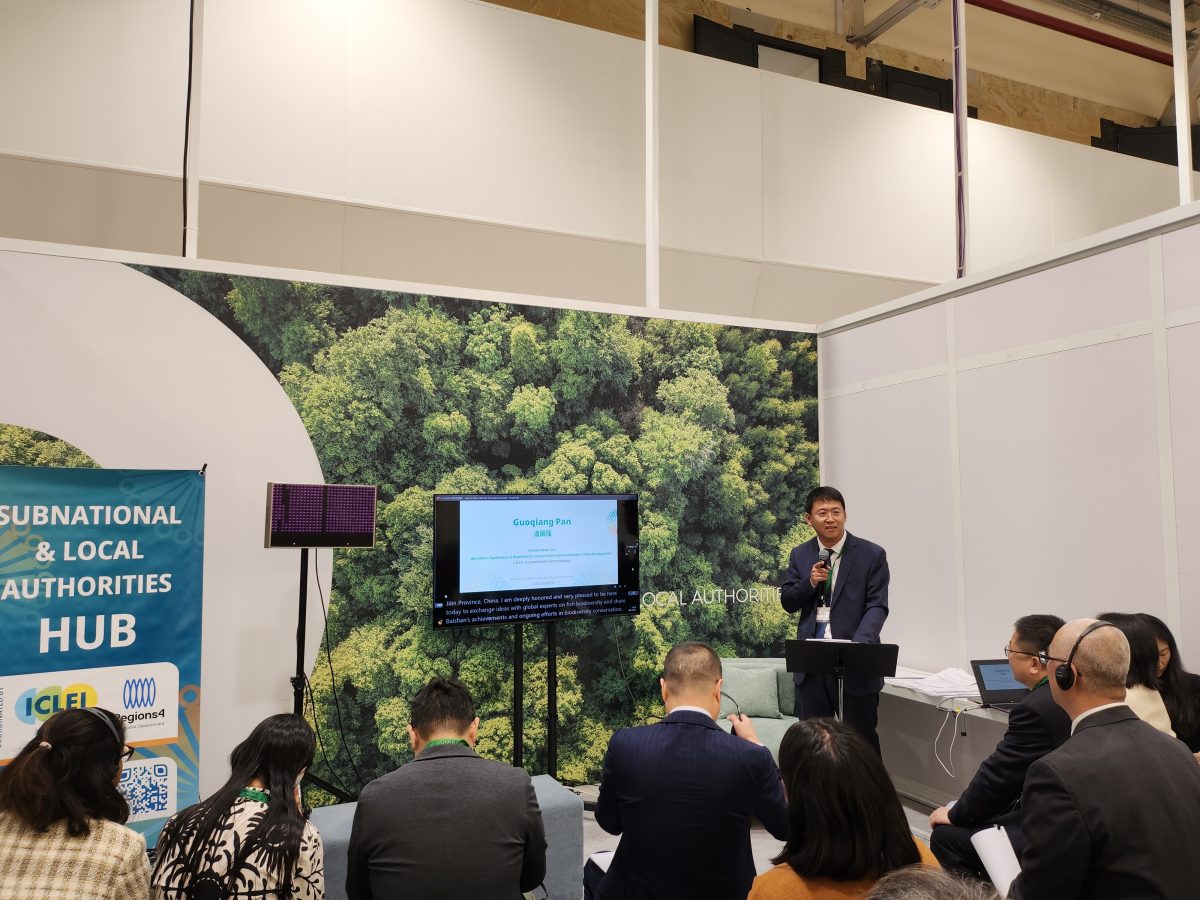 Guoqiang Pan Vice Mayor of Baishan Municipal People’s Government
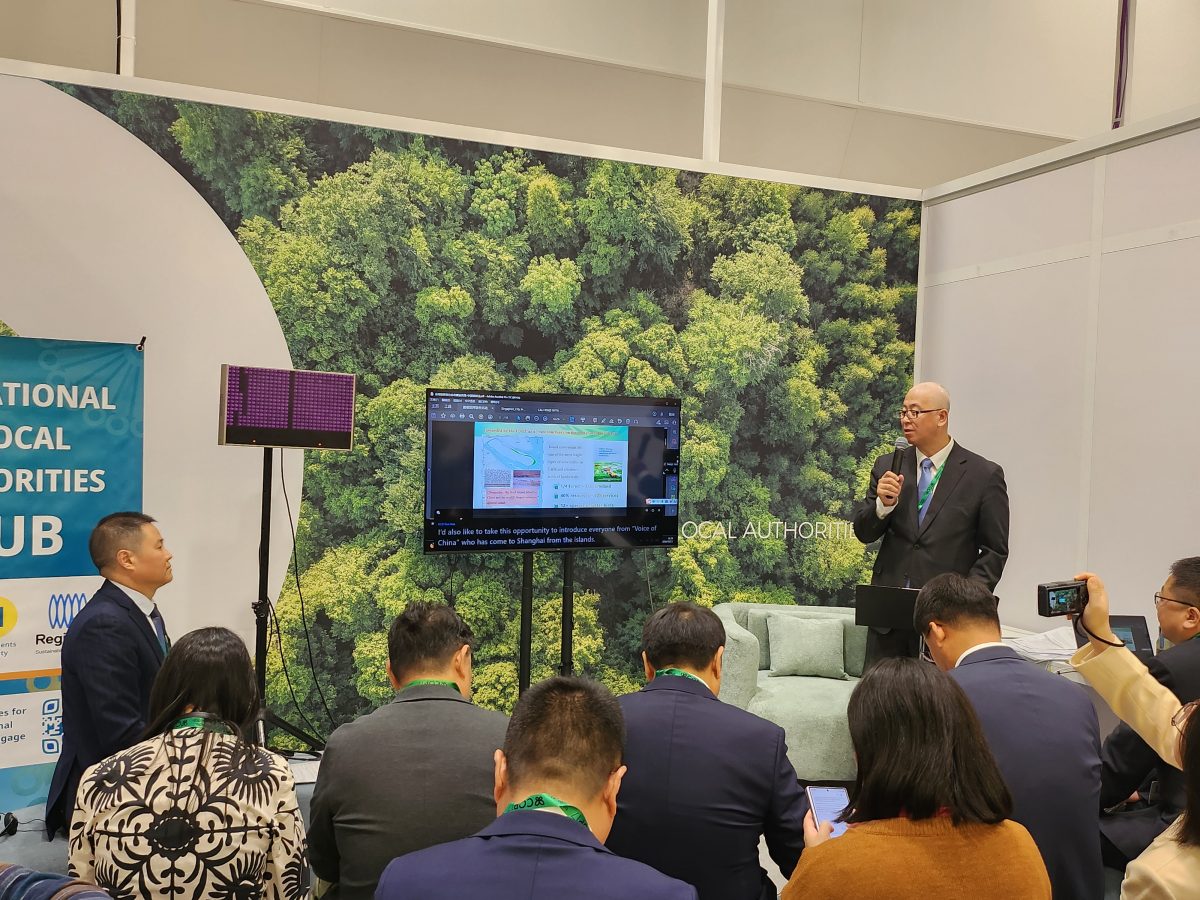 Hai Yu, Deputy Director, Policy Research Center for Environment and Economy (PRCEE),
Ministry of Ecology and Environment.
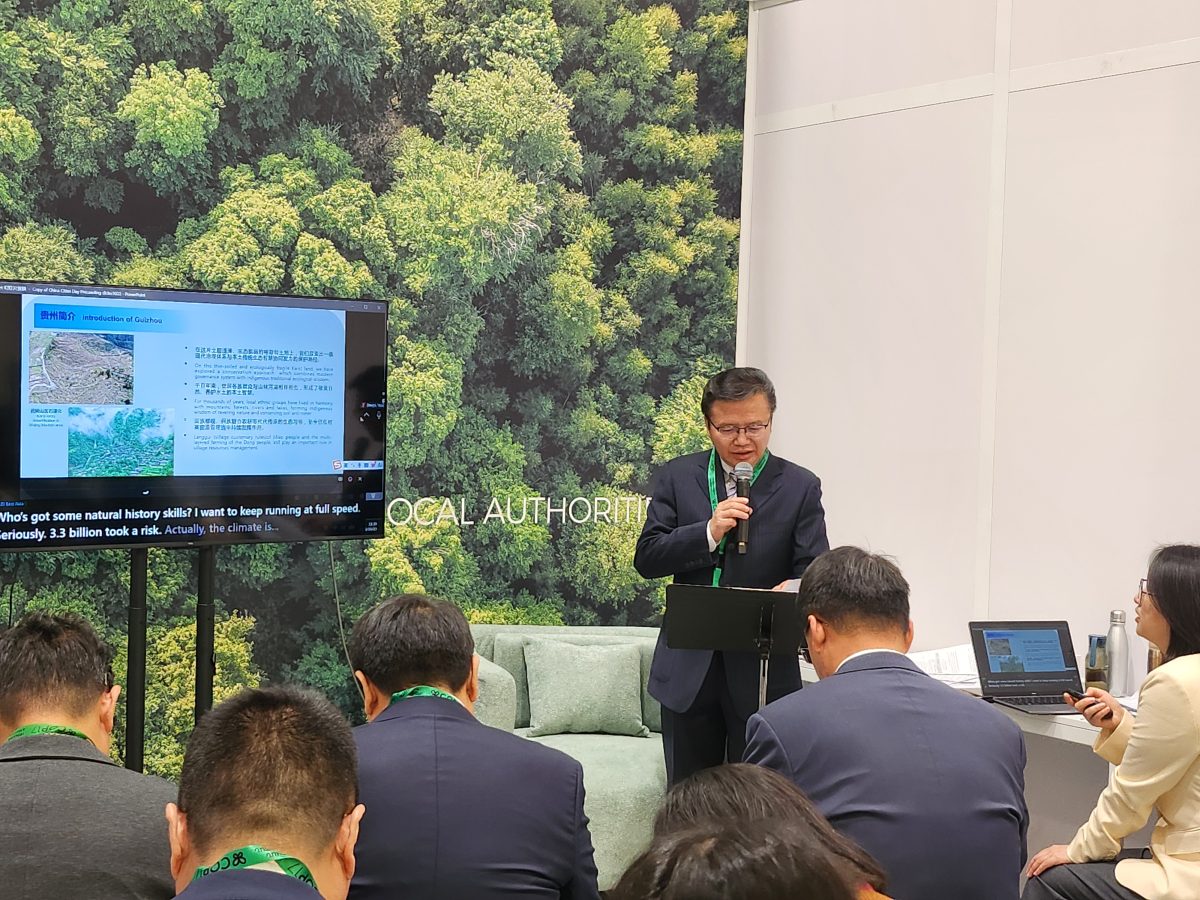 Ke Wu, Deputy Director-General Level Ecological Environment Inspector, Department of
Ecology and Environment of Guizhou Province.
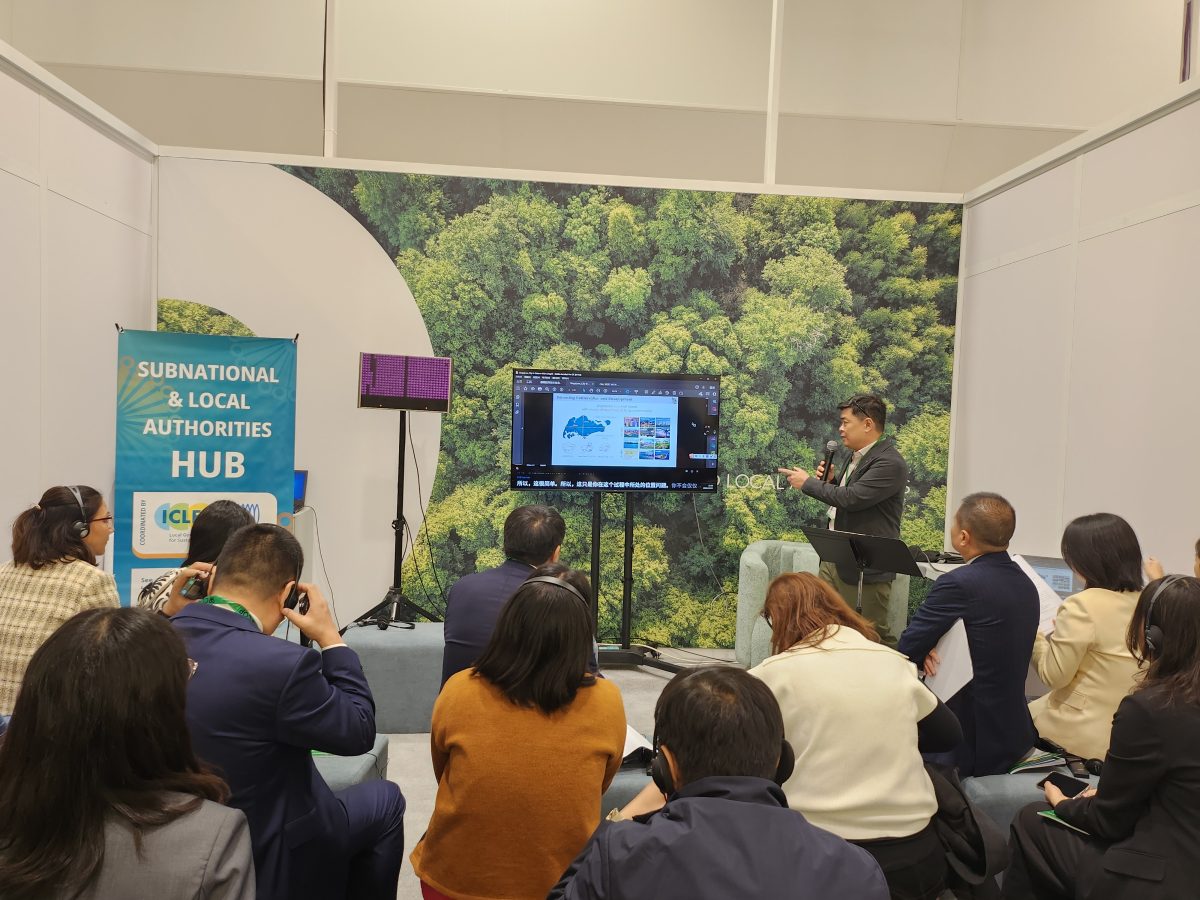 Liang Jim Lim, Group Director/ Conservation concurrent Senior Director/ International
Biodiversity Conservation, National Parks Board (NParks).
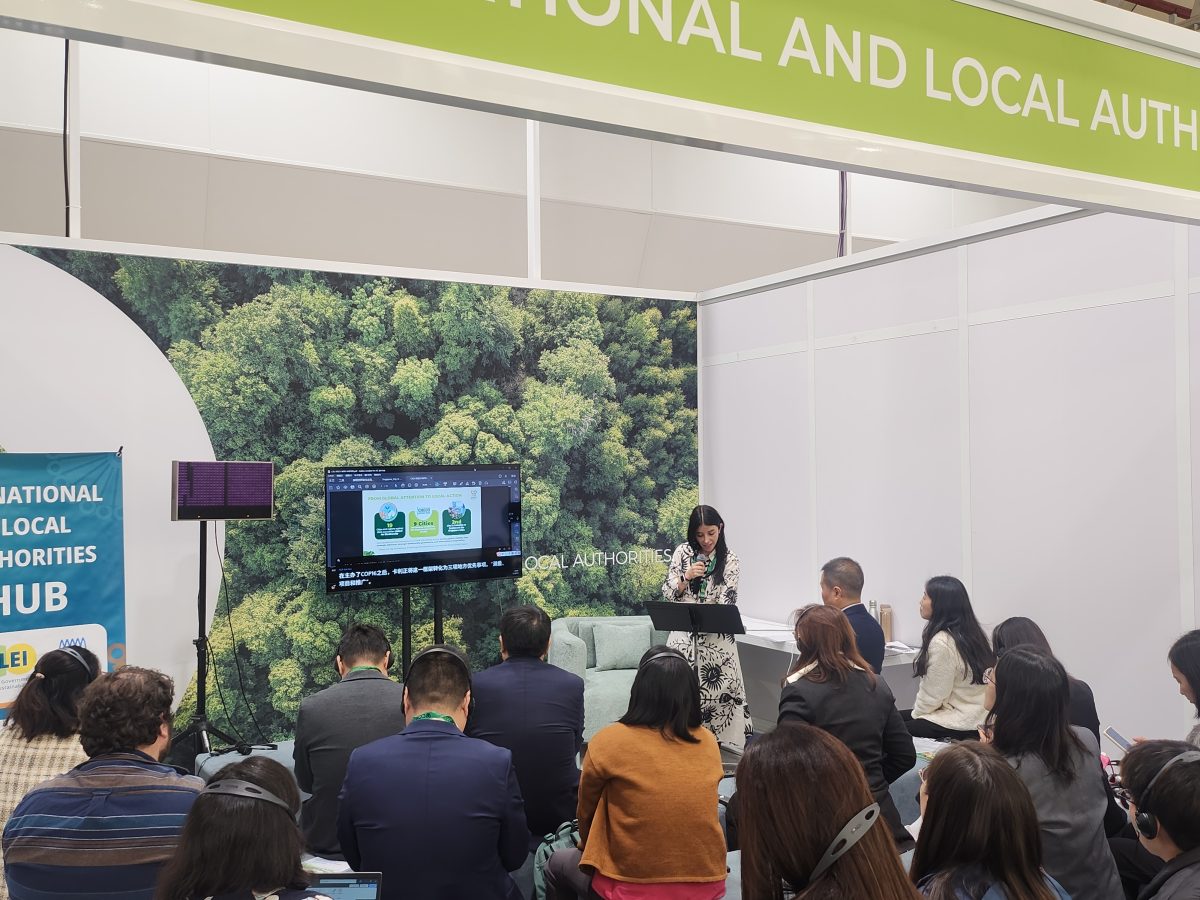 Daniela Reina, Advisor to the Mayor’s Office and Deputy Director of the Office of Relations
and Cooperation, Mayor's Office of Cali, Colombia
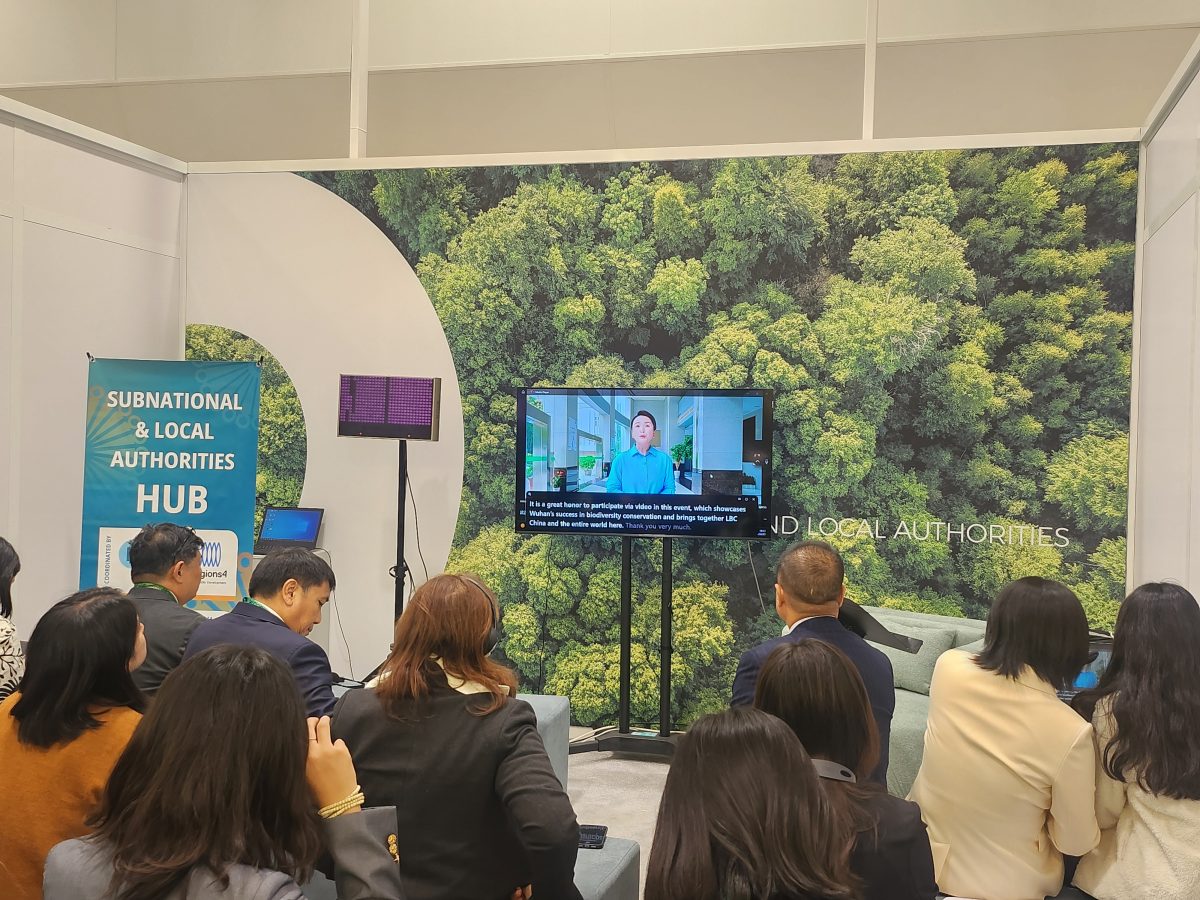 Cuncao Fu, Wuhan Environmental Observer, presenter at Wuhan Television.
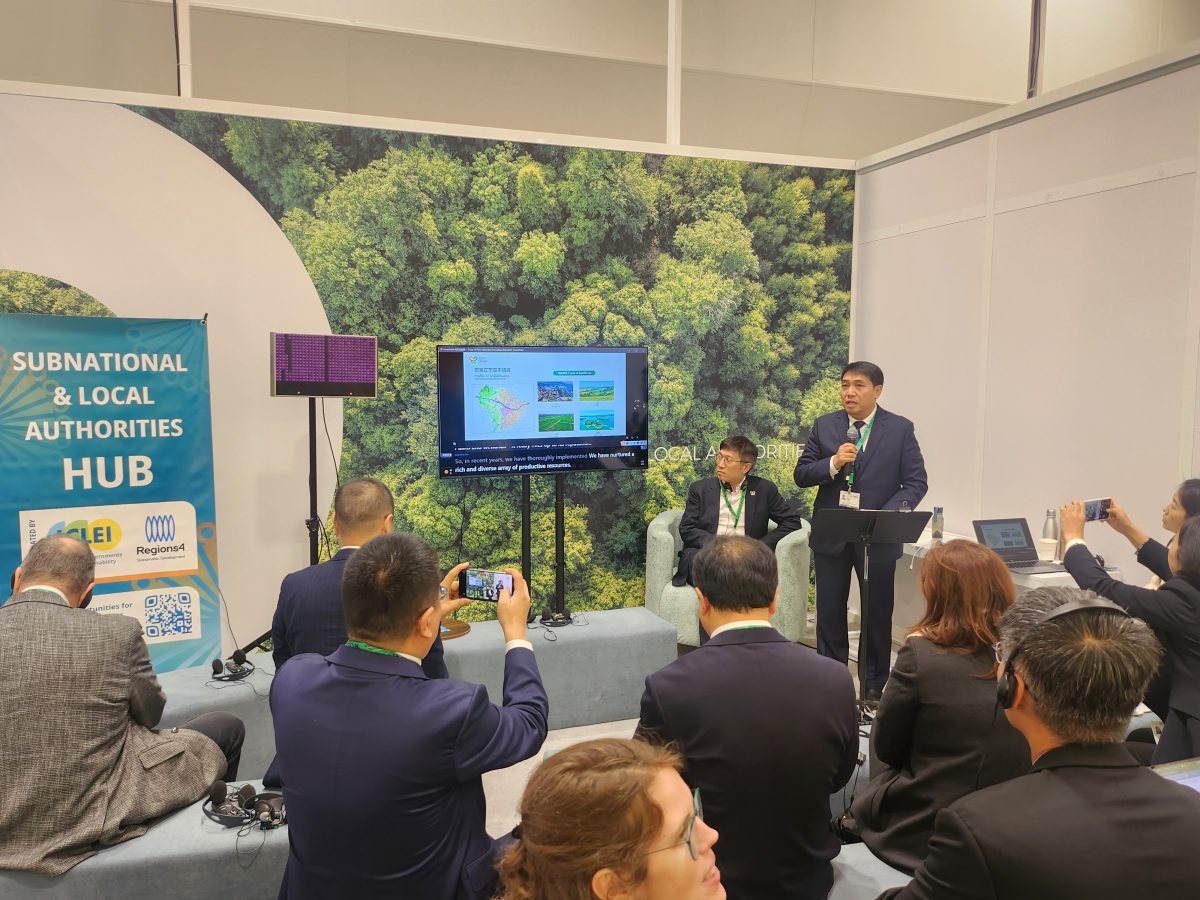 Junzhi Liu , Executive Vice‑Mayor of the Shijiazhuang Municipal People’s Government.
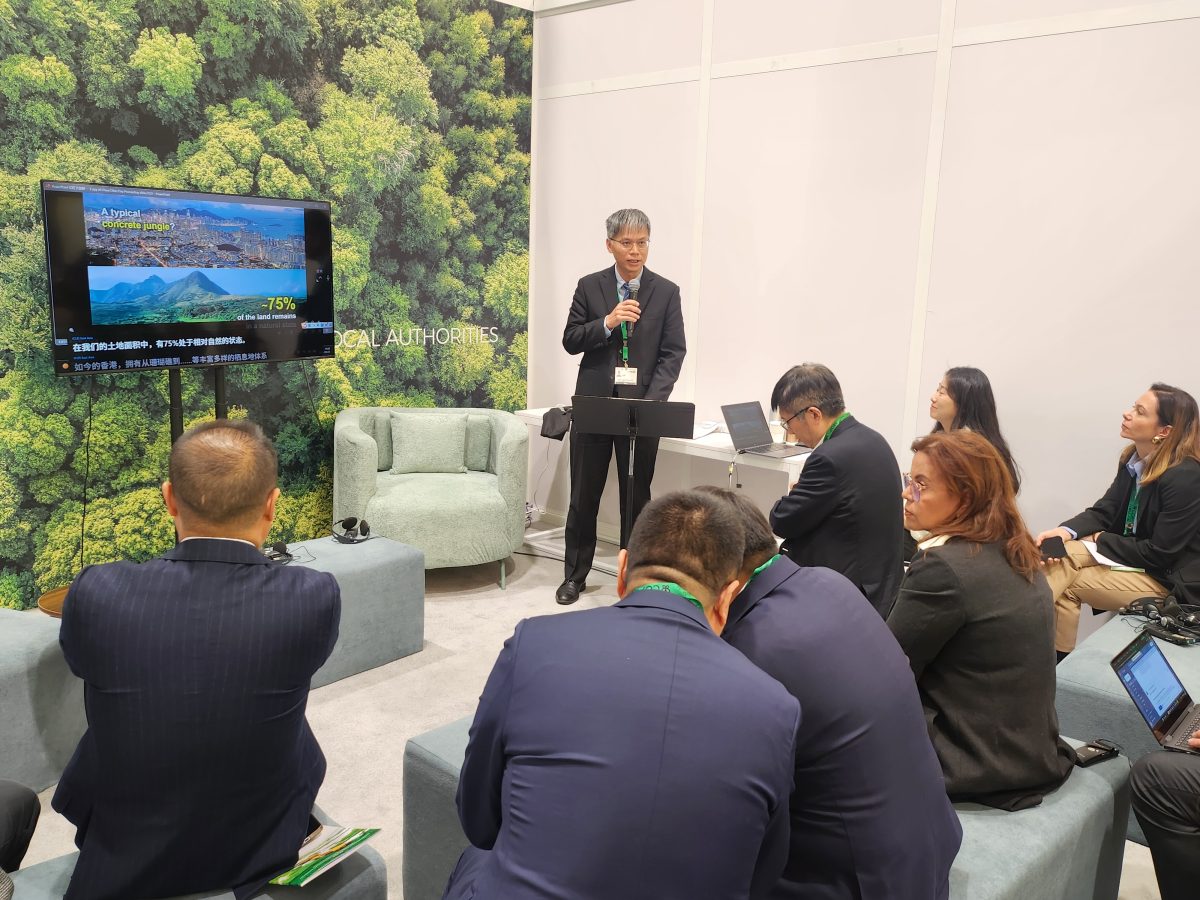 Kin Fung Chan , Assistant Director, Agriculture, Fisheries and Conservation Department, The Government of the Hong Kong Special Administrative Region
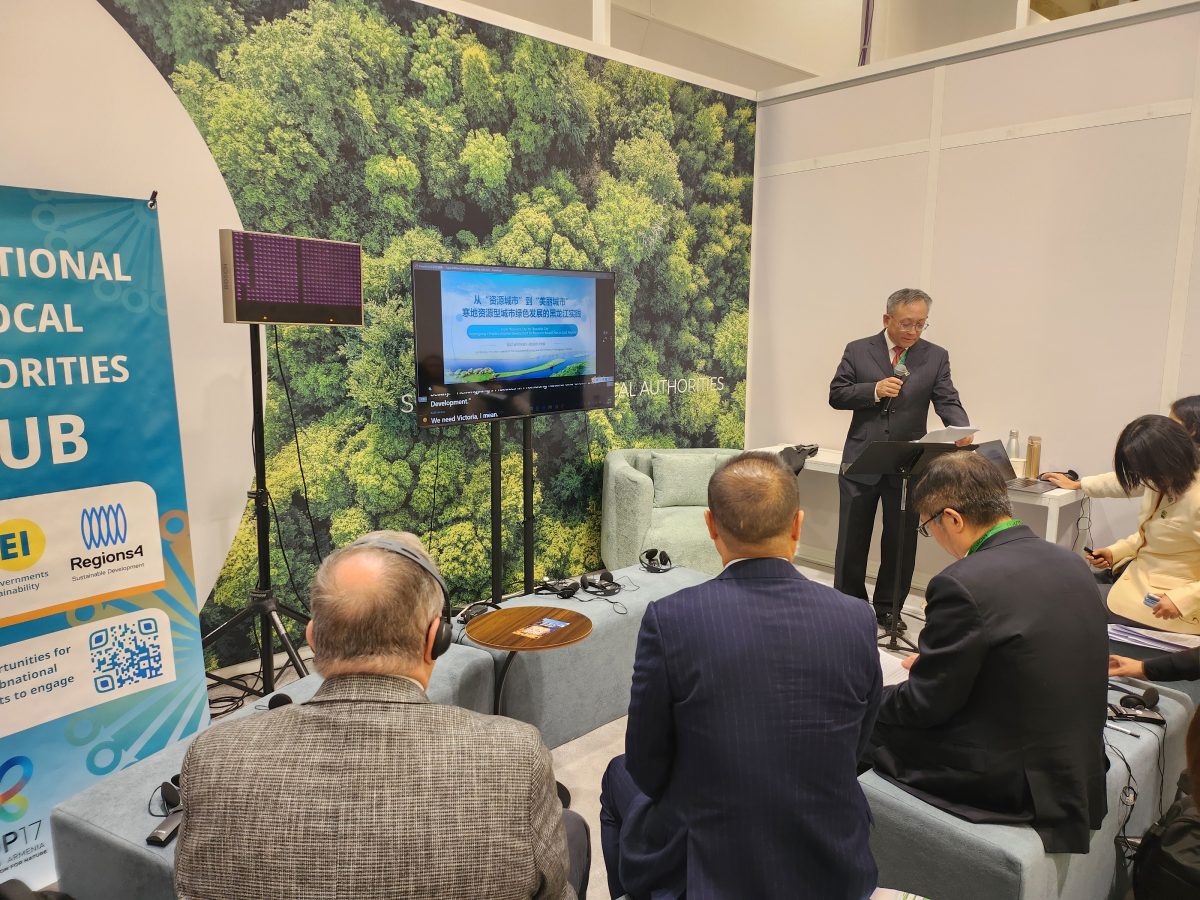 Qichang Lin, First‑level Inspector, Department of Ecology and Environment of Heilongjiang Province.
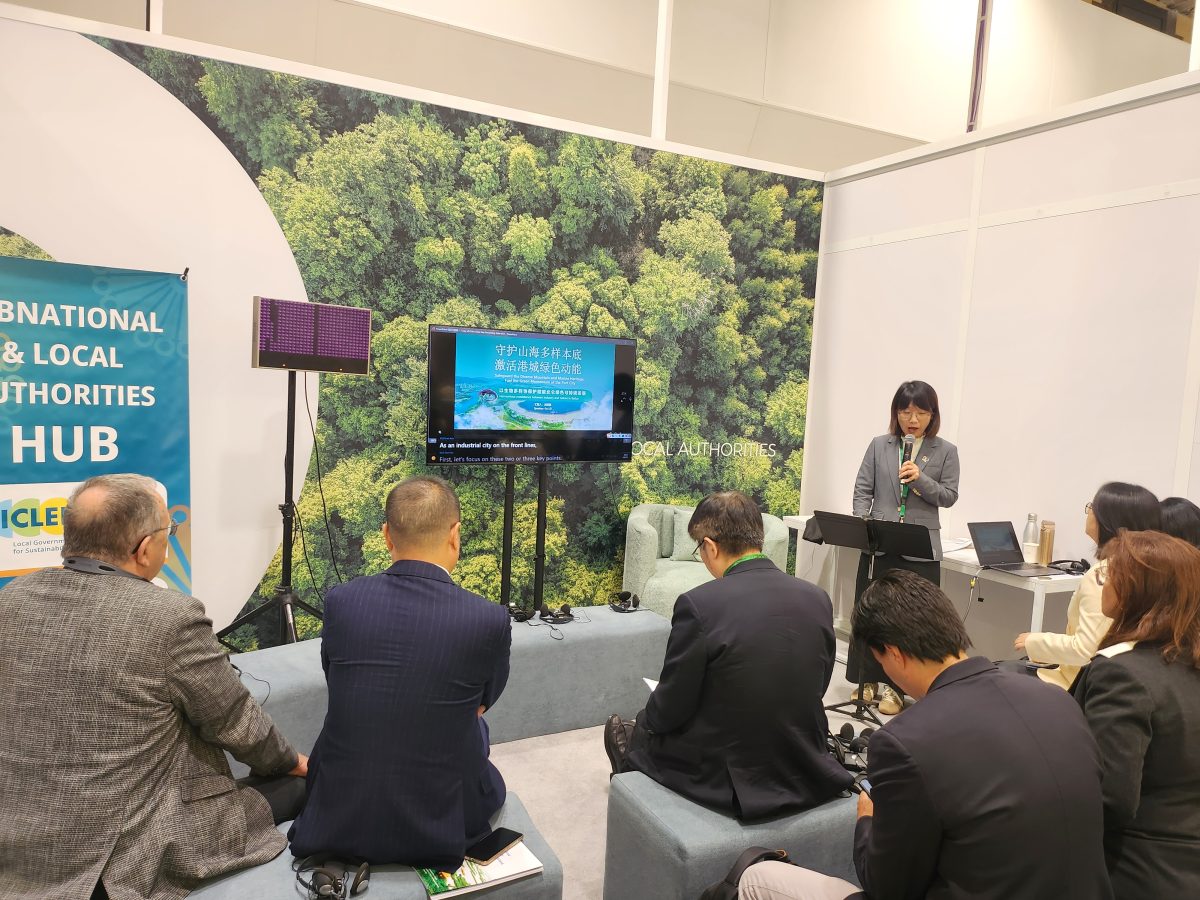 Lili Gu, Director of Ecological Civilisation Promotion Centre, Beilun Branch, Ningbo Municipal Bureau of Ecology and Environment.
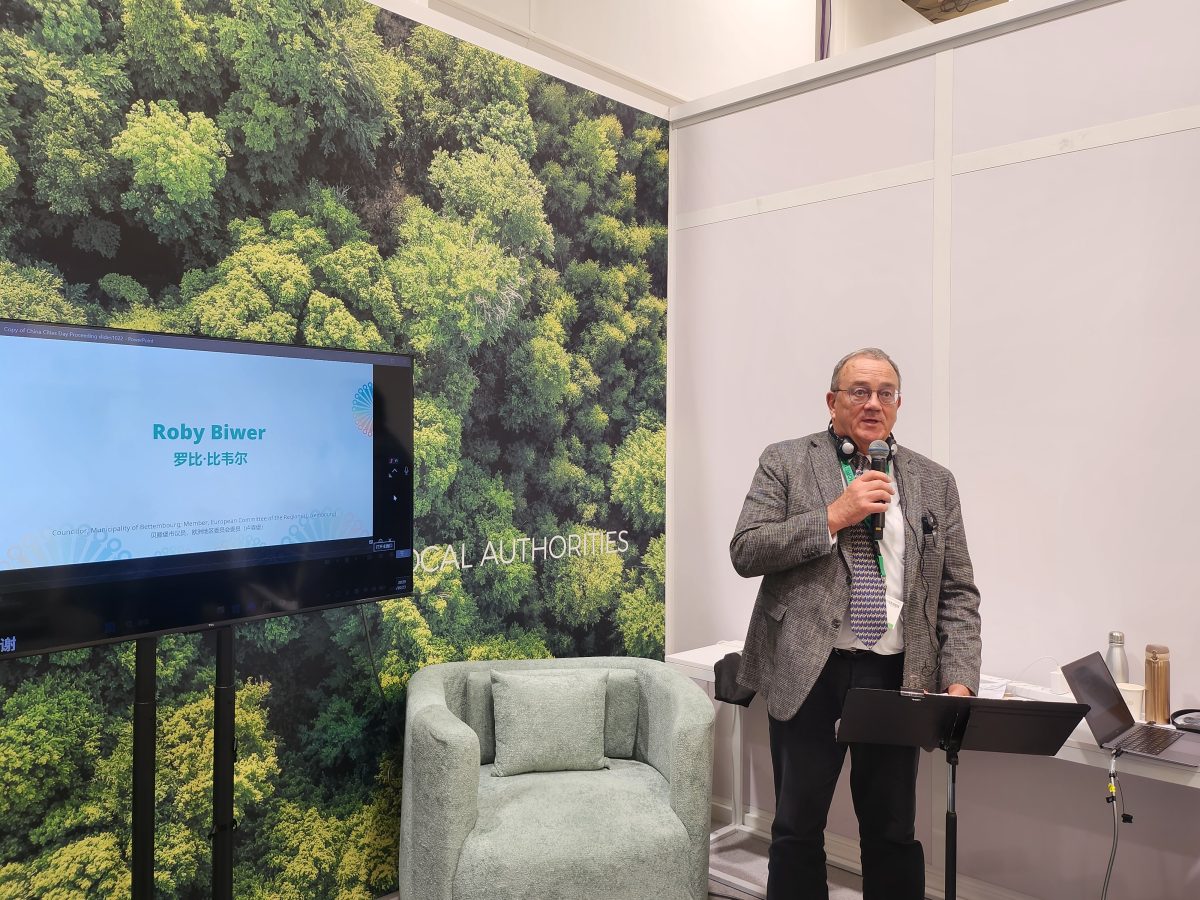 Roby Biwer, Councillor, Municipality of Bettembourg; Member, European Committee of the Regions (Luxembourg)
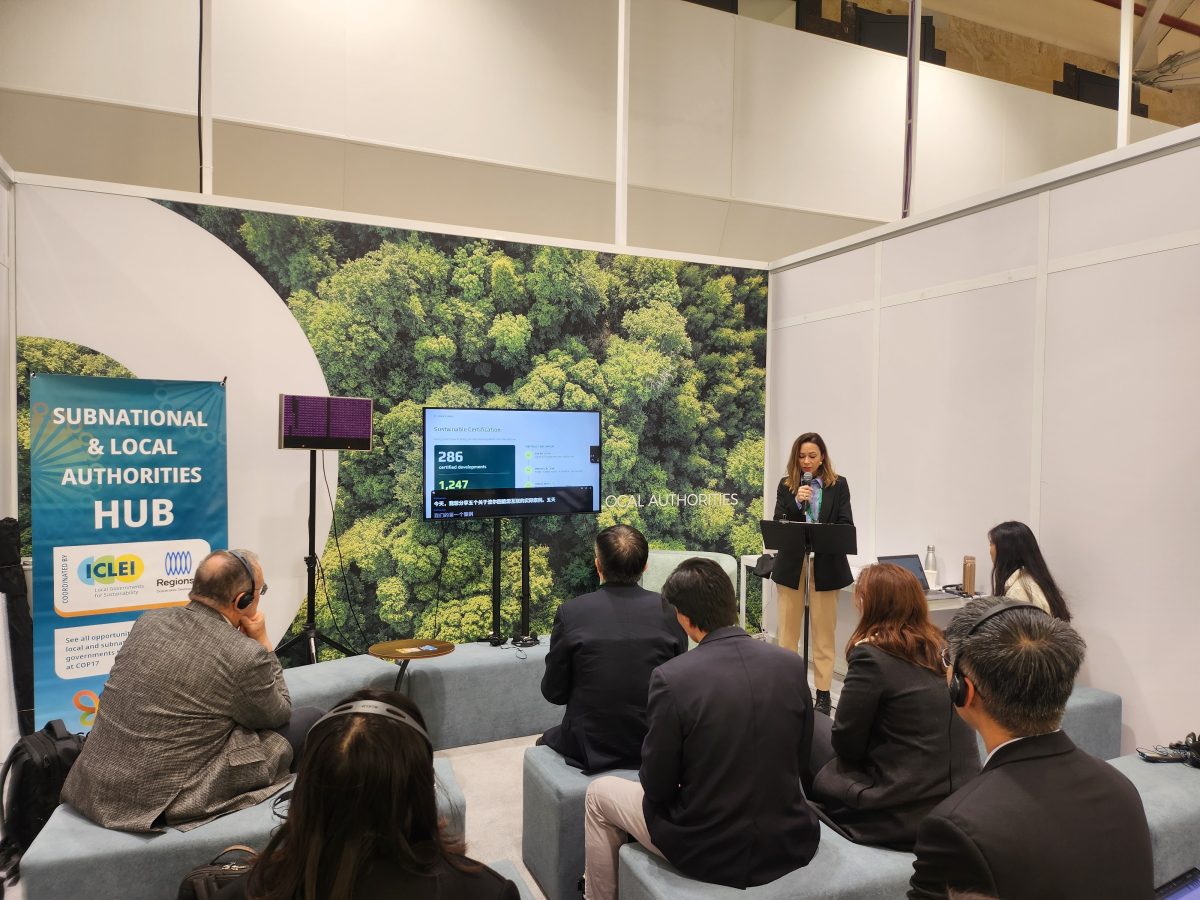 Rovana Reale Bortolini, Director-General, Sustainability Projects and Policies. City of Porto Alegre, Brazil
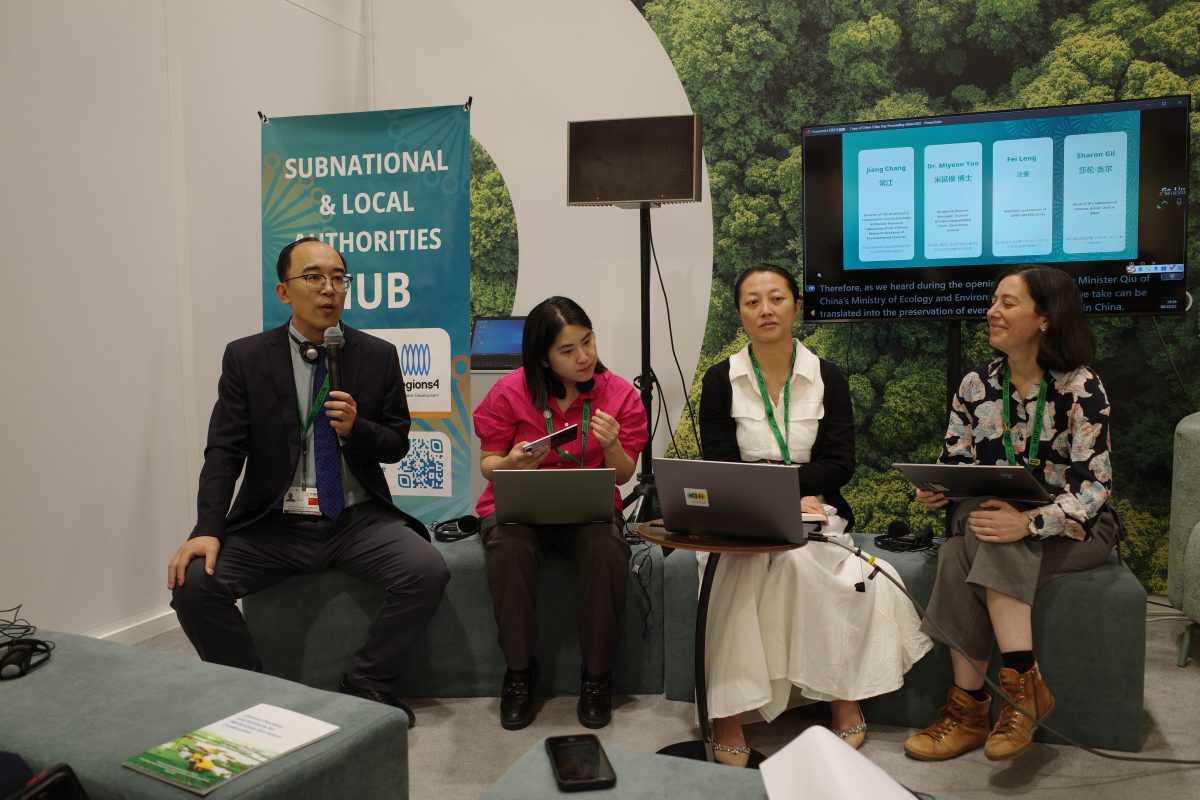 First Roundtable
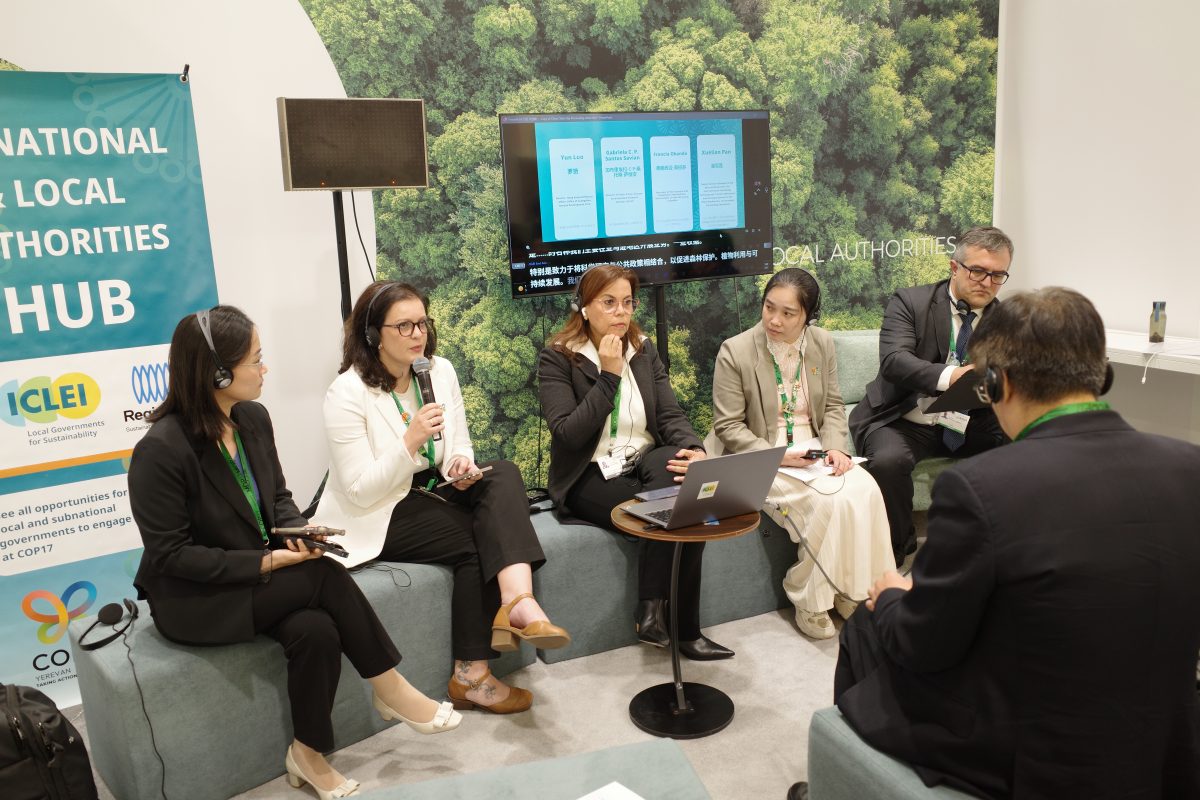 Second Roundtable
As the world seeks solutions to urgent challenges like climate change and biodiversity loss, cities and regions play a dual role: they are not only key implementers but also innovators in policy development. The strategies and experiences of urban centers are therefore invaluable in tackling these global issues. Since cities worldwide often face similar obstacles, fostering mutual learning and sharing knowledge is essential.
On October 23, ‘China Cities Day’ was held at the Subnational and Local Authorities hub in the blue zone. The event was co-organized by ICLEI, the Policy Research Center for Environment and Economy of the Ministry of Ecology and Environment of China, and the Tsinghua University Research Center for Ecological Civilization.
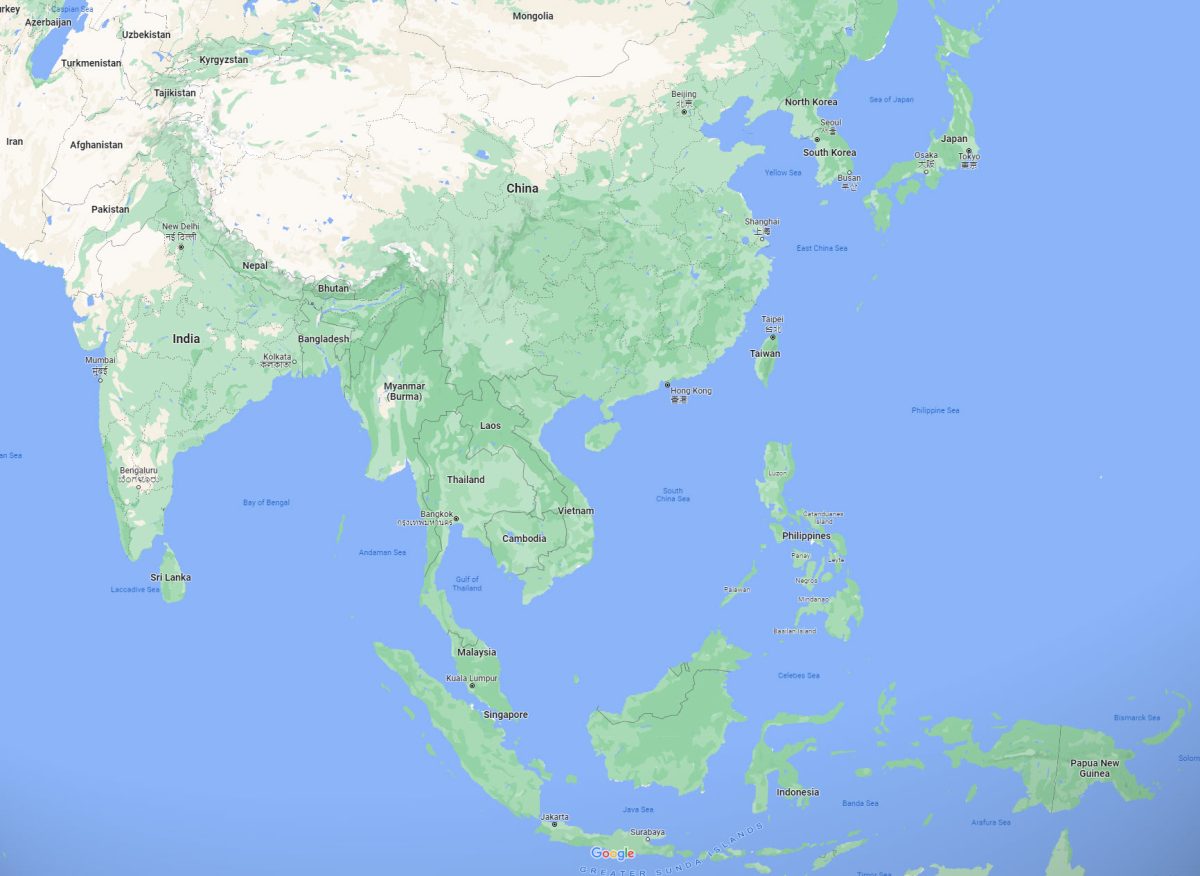
Representatives from nine Chinese local governments and seven from six other countries—including Canada, Singapore, South Korea, Colombia, Brazil, and Luxembourg—participated. They engaged in lively discussions on urban biodiversity conservation, ecosystem restoration, green transitions, and international cooperation. By sharing local practices, participants collaboratively explored ways to advance the Kunming–Montreal Global Biodiversity Framework (KMGBF).
Inspiring Leadership: Setting the Stage for Transformative Change
The ‘China Cities Day’ event was moderated by Zhu Shu, Director of the ICLEI East Asia Secretariat and China Representative. The opening session included impactful speeches from Kobie Brand, ICLEI Deputy Secretary-General; Jean Lemire, Special Envoy for Climate Change, Nordic and Arctic Affairs of Québec; Ajay Bhushan Pandey, Vice President for Investment Solutions at the Asian Infrastructure Investment Bank; and Hu Jun, Director of the Research Center for Environment and Economy at the Ministry of Ecology and Environment of China.
Kobie Brand underscored the determined commitment of Chinese local governments to implementing the KMGBF. With over 40 Chinese cities now part of the ‘CitiesWithNature’ platform, the event served as a vibrant platform for showcasing innovative urban biodiversity initiatives. It also provided a critical venue for forging international partnerships, fostering knowledge sharing, and advancing collaborative efforts among cities worldwide.
Jean Lemire highlighted that during the second part of the CBD COP15 in Montreal, the presidency worked to unite all parties for nature, marking a milestone in biodiversity and international cooperation. He emphasized Quebec’s support for local exchanges and ongoing collaboration between Chinese cities and global partners.
Ajay Bhushan Pandey pointed to restoration projects on the Thames in London and the Liangma River in Beijing as proof that healthy ecosystems are vital urban infrastructure, bringing environmental, economic, and social benefits. He also noted AIIB’s work to integrate nature conservation and urban development through initiatives like the Nature Finance Accelerator.
Hu Jun emphasized that global biodiversity conservation must respect the diverse historical and cultural backgrounds and developmental stages of different countries, uphold genuine multilateralism, and work together to tackle global challenges like biodiversity loss through international cooperation.
Catalyzing Urban Leadership: Knowledge, Tools, and Global Impact
At the event, ICLEI East Asia introduced two groundbreaking resources: “Cities in Harmony with Nature: Case Studies of Urban Biodiversity Conservation in China“ and the Chinese edition of the Cities Biodiversity Index (CBI). The case compendium showcases exemplary urban initiatives, highlighting the commitment, innovation, and progress of Chinese cities toward a vision of harmonious coexistence with nature.
The CBI offers an essential framework for Chinese cities to systematically assess, monitor, and manage biodiversity, empowering urban leaders to embed conservation into every facet of planning and governance.
Unlocking Success: Collaborative Solutions and Proven Best Practices
Speakers from diverse cities and regions across China—including Baishan (Jilin Province), Beilun District (Ningbo City), Guizhou Province, Heilongjiang Province, Hong Kong, Nansha District (Guangzhou City), Shijiazhuang (Hebei Province), Shenzhen (Guangdong Province), and Wuhan (Hubei Province)—joined counterparts from international cities such as Cali (Colombia), Porto Alegre (Brazil), Yeoncheon (South Korea), Luxembourg, and Singapore to share their insights and best practices.
Despite differences in climate, geography, and ecosystems, all these cities face the common challenge of balancing economic growth with environmental protection, addressing climate change, and protecting vulnerable species and habitats. Many have adopted similar approaches to biodiversity conservation and habitat restoration, offering practical models for cities worldwide.
- Systematic Landscape Management: Effective biodiversity conservation extends beyond managing isolated land parcels; it encompasses the holistic management of entire ecosystems as unified functional units. By coordinating efforts across mountainous areas, rivers, wetlands, and coastal zones, local authorities can prevent habitat fragmentation and sustain the essential large-scale natural processes vital for wildlife survival.
For example, China’s 2023 approach to conserving mountains, waters, forests, farmlands, lakes, grasslands, and deserts reflects the philosophy that nature is a single, interconnected system. Baishan City adopted this method in the Yalu River area, which begins in Baishan and runs along China’s northeastern border. In partnership with Tonghua City, Baishan launched the Yalu River Important Source Area Integrated Protection and Restoration Project to address water quality and land use together, linking mountain conservation upstream with river health downstream. Key actions include replanting slopes to reduce sediment, restoring riverbanks to prevent pollution, and managing agricultural runoff to protect the watershed. Similarly, Guizhou Province’s integrated restoration project in the Wuling Mountain Region has protected over 800,000 mu, reconnected habitats, and established wildlife corridors.
- Smart Technological Infrastructure: The success of urban biodiversity conservation increasingly relies on transitioning from manual, seasonal field assessments to automated, real-time monitoring systems. By employing advanced digital infrastructure, city authorities can swiftly identify ecological threats, monitor wildlife populations, and enforce environmental regulations through precise analytics.
Wuhan City’s Smart Wetland System is a prime example of this advanced approach. By integrating IoT, AI-powered voice and image recognition, 5G networks, and big data analytics, the system enables continuous, automated monitoring across 16 nature reserves spanning 40,000 hectares. It tracks bird populations, monitors water quality, and models hydrological processes, providing real-time threat alerts and supporting informed conservation decisions. This technological advancement has led to notable improvements in water quality at key sites such as the Chenhu Wetland and has elevated scientific standards for biodiversity protection.
- Eco-Value Transformation: The relationship between economic growth and environmental protection is crucial. Urban areas have the potential to transform healthy ecosystems into powerful engines of economic development, rather than merely conserving them. By creating sustainable, non-extractive industries, cities can tap into the value of nature while achieving strong economic outcomes.
For example, Singapore transformed its “Garden City” vision into a “City in Nature” framework, making ecological engineering projects like Gardens by the Bay, Jewel Changi Airport, and the Singapore Botanic Gardens global tourism icons. Through vertical greening, eco-friendly architecture, and an extensive Park Connector Network, Singapore seamlessly integrates nature into urban life, positioning itself as a leader in sustainable tourism and green events. Similarly, Beilun District in Ningbo has opened environmental protection facilities and industrial sites to the public, turning them into educational venues that showcase green transformation and biodiversity conservation.
- Targeted Species Rescue: Cities and regions not only support human populations but also provide vital habitats for unique and endangered species. Many cities have created protected areas for endemic species, employ smart systems to track biodiversity, and conduct regular surveys and monitoring of rare species. Using these data, targeted actions are taken to improve water and foraging conditions, enhancing native habitats for diverse wildlife.
Beilun District in Ningbo established a dedicated nature reserve and breeding laboratory for the Zhenhai spiny newt, a globally unique Class I protected species. More than 1,800 individuals have been bred in captivity, and the reserve has expanded from 200 to 12,000 square meters, supporting a steady rise in the wild population. In Shijiazhuang, the Taihang Mountain Minman River Black Stork Judicial Protection Base was set up as the city’s first specialized hub for conserving the endangered black stork. This center combines judicial enforcement, ecological restoration, and public education to prevent poaching and protect the river ecosystem. Meanwhile, Hong Kong has designated dozens of conservation zones—including 67 sites of special scientific interest and multiple protected areas—specifically for safeguarding wildlife.
- Global Platform Alignments: By joining international networks, cities adopt global standards, benchmark their biodiversity progress, and advance targets like the KMGBF. Access to shared resources and technical guidance empowers leaders to address local ecological challenges with innovative solutions. Collaboration and peer learning help cities amplify their impact and raise their international profile.
“Reaching the KMGBF goals requires united action from local governments worldwide. Because ecosystems and migratory species cross borders, only global collaboration can effectively address the biodiversity crisis.” said Guoqiang Pan, Vice Mayor of Baishan Municipal People’s Government. This year, Baishan City joined the “CityWithNature” initiative to promote ecological restoration and species conservation.
Similarly, Guizhou Province uses international forums like the “Eco Forum Global Guiyang” to share its expertise in restoring karst ecosystems, fostering community co-management, and preserving agricultural heritage with global partners.
In conclusion, the insights shared during ‘China Cities Day’ illustrate the profound potential of cities to spearhead biodiversity conservation and climate action. By fostering collaboration, leveraging innovative approaches, and exchanging experiences, cities can significantly advance global efforts to protect our planet’s vital ecosystems.