ICLEI East Asia Promoting AI for Urban Sustainability at 2026 Seoul Climate Tech Conference
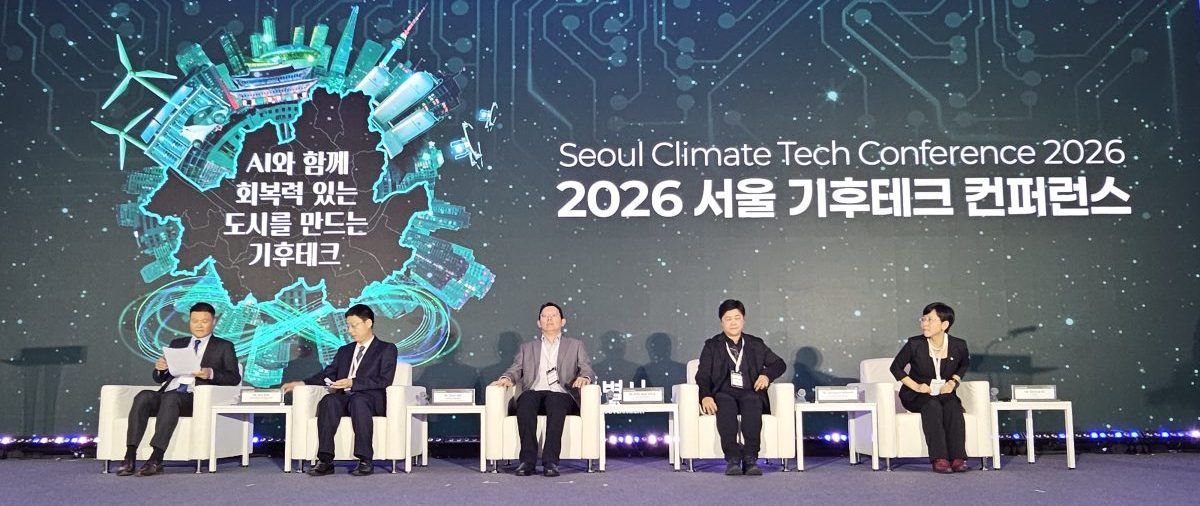
Cities have been increasingly integrating AI-powered tools into climate strategies and sustainable urban planning. In response to this growing trend, the ICLEI East Asia Secretariat launched the AI for Urban Sustainability (AI4US) project in 2026, providing a platform for city-to-city and city-to-business knowledge exchange and collaboration to advance AI application and adoption in climate actions and sustainable urban development.
Hosted by the Seoul Metropolitan Government, the theme of the 2026 Seoul Climate Tech Conference is “Climate Tech for Building Resilient Cities with AI.” Within the framework of the 2026 conference, the ICLEI East Asia Secretariat hosted the ICLEI AI4US Session. This Session was the first event of the AI4US project and brought together policymakers and experts from Beijing, Singapore, Bangkok, and Melbourne to exchange insights on this topic.
Moderated by Mr. Shu Zhu, Regional Director of the ICLEI East Asia Secretariat and China Representative, the first half of the session featured four city presentations demonstrating how cities are using AI to reshape climate actions and sustainable urban governance.
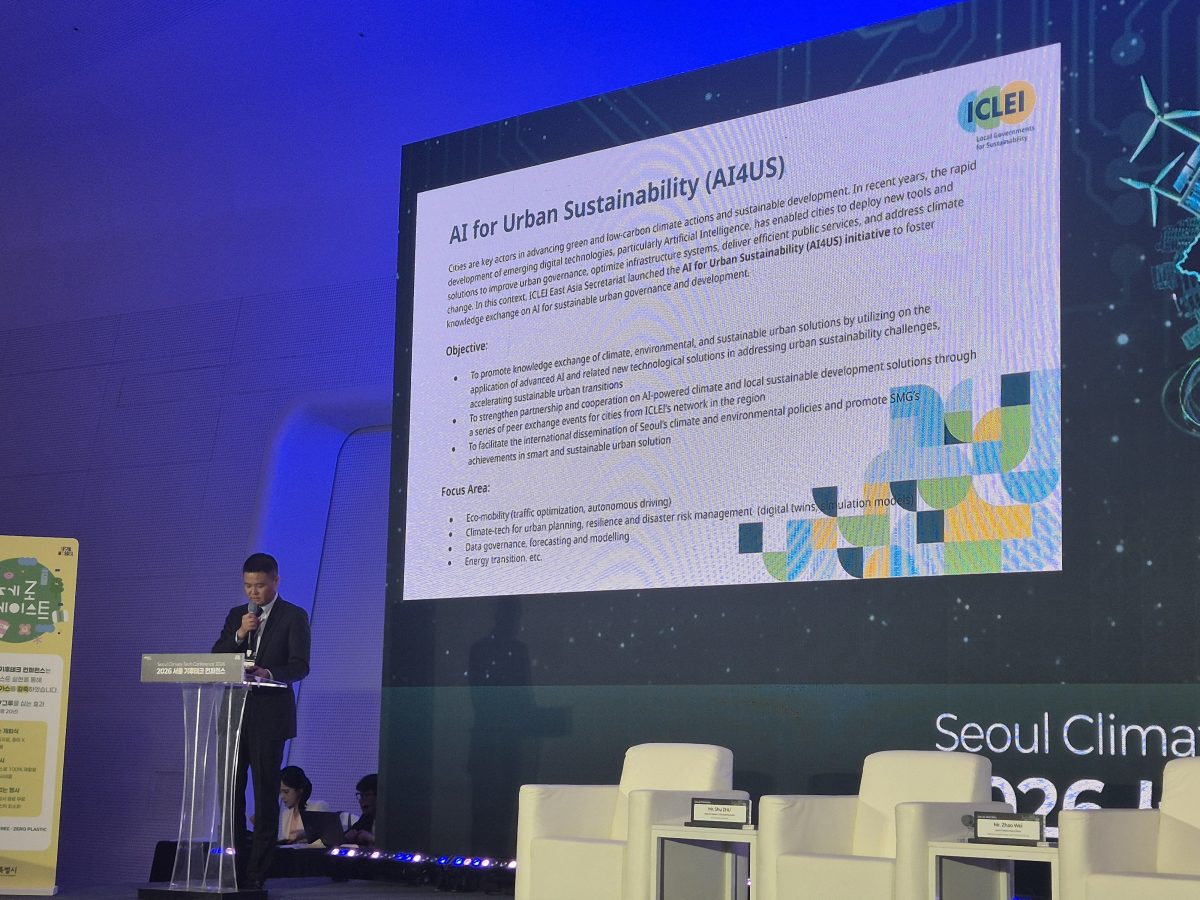
Shu Zhu, Regional Director of the ICLEI East Asia Secretariat and China Representative, Moderated the ICLEI AI4US Panel Session.
Wei Zhao, Level IV Division Rank Official of the Beijing Municipal Bureau of Ecology and Environment, shared Beijing’s latest AI applications in green and low-carbon development. Three key initiatives were highlighted: one is China’s first large model for targeted air pollution control, which enables precise data analysis and intelligent diagnostics across “Supervision-Monitoring-Inspection (SMI)” departments; the second is AI energy-saving technology in rural areas that can automatically adjust the operation of air-source heat pumps; the last one is its Mobility as a Service (MaaS) platform empowered by AI technologies, supporting citizens’ green transportation.
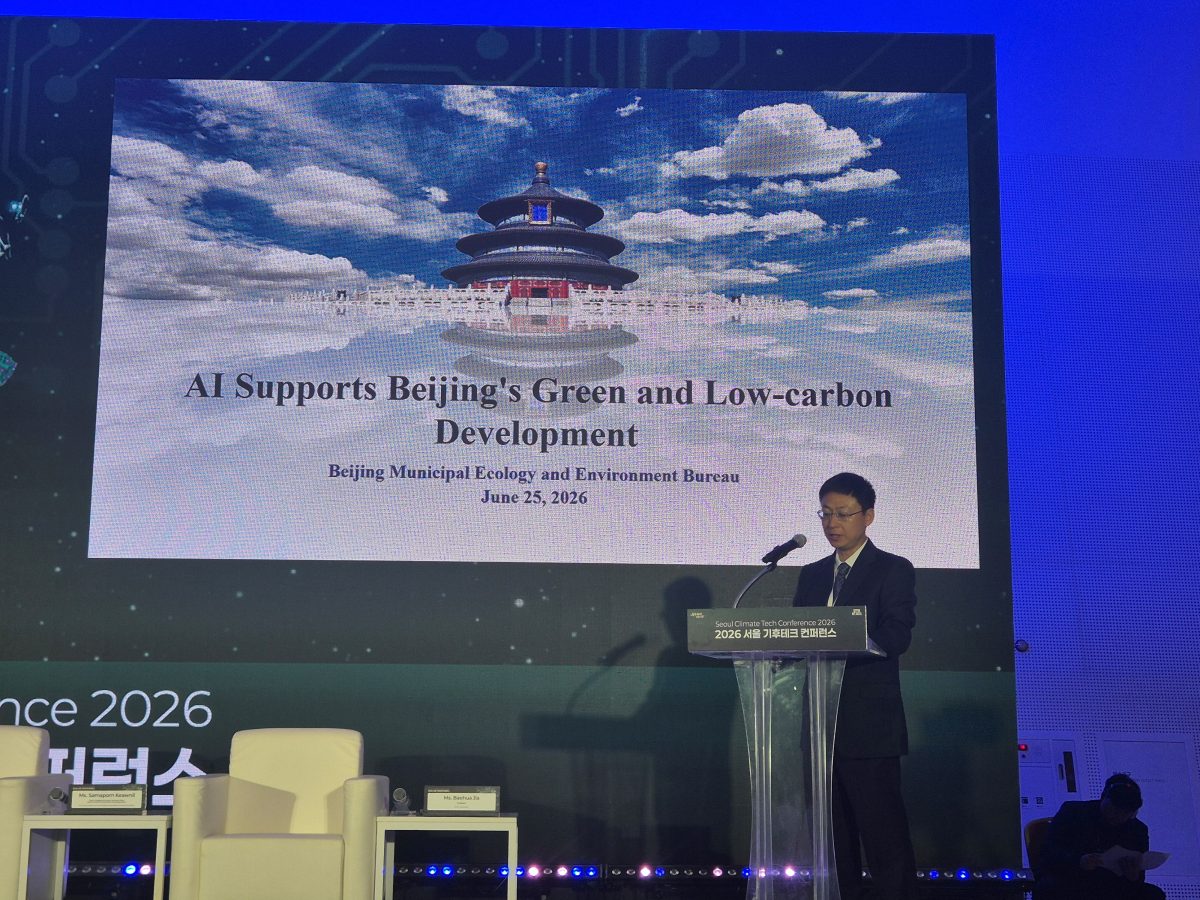
Wei Zhao, Level IV Division Rank Official of the Beijing Municipal Bureau of Ecology and Environment, presented at the ICLEI Session.
Dr. Wee Shing Koh, Senior Principal Scientist and Portfolio Lead at Singapore’s Agency for Science, Technology and Research (A*STAR), focused on AI-enhanced climate-resilient solutions. His presentation showcased Singapore’s AI-enabled urban digital planning platform, featuring AI-accelerated urban microclimate modeling, the Geometric SimCity language model, and AI agents with natural language interaction capabilities. He also emphasized that effective urban planning and climate action rely on close collaboration among government agencies, which can translate planning decisions into implementation.
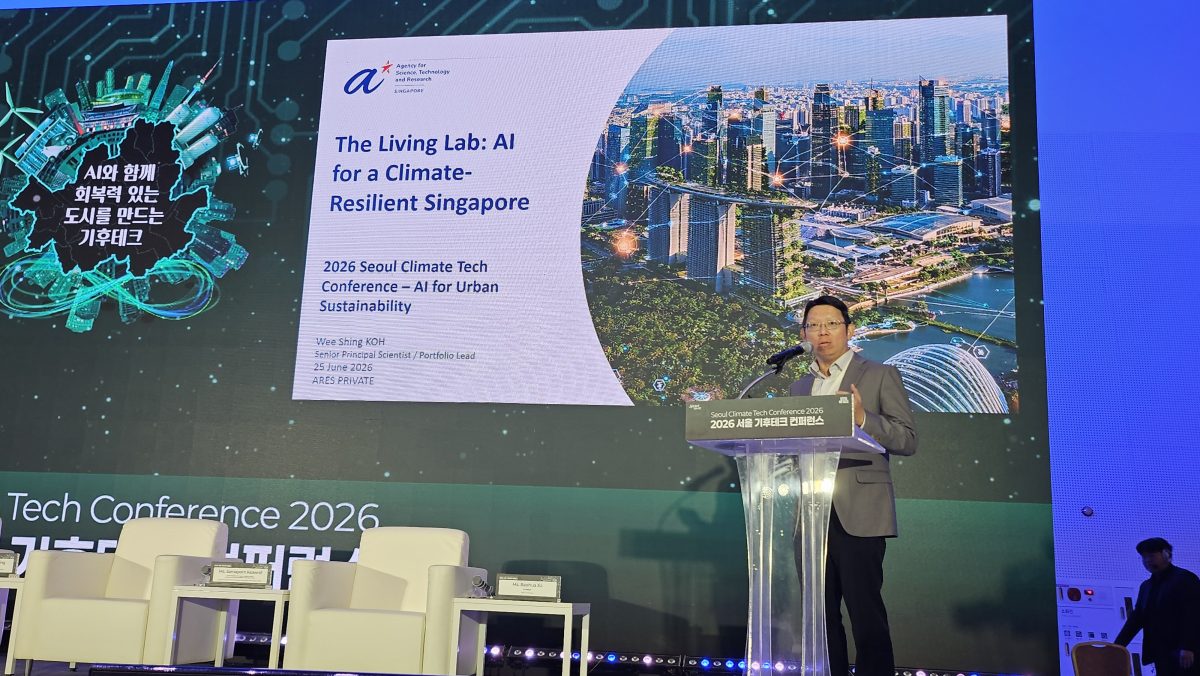
Dr. Wee Shing Koh, Senior Principal Scientist and Portfolio Lead at Singapore’s Agency for Science, Technology and Research (A*STAR), presented at the ICLEI Session.
Samaporn Keawnil, Chief of the Information Technology Section at the Bangkok Metropolitan Administration’s Environment Department, shared Bangkok’s vision for applying AI to support its circular-economy transition. Under the city’s AI Strategy 2027, Bangkok is enhancing its digital waste management through the BKK WASTE PAY platform and the ROUTE MAP system. The BKK WASTE PAY aims to enable real-time detection of waste sorting errors via pre-capture image recognition, and the ROUTE MAP system can help optimize garbage truck collection routes. Together with the IoT Weight Tracking System, Bangkok aims to have a more comprehensive AI technology framework in 2027, accelerating its future towards a circular economy.
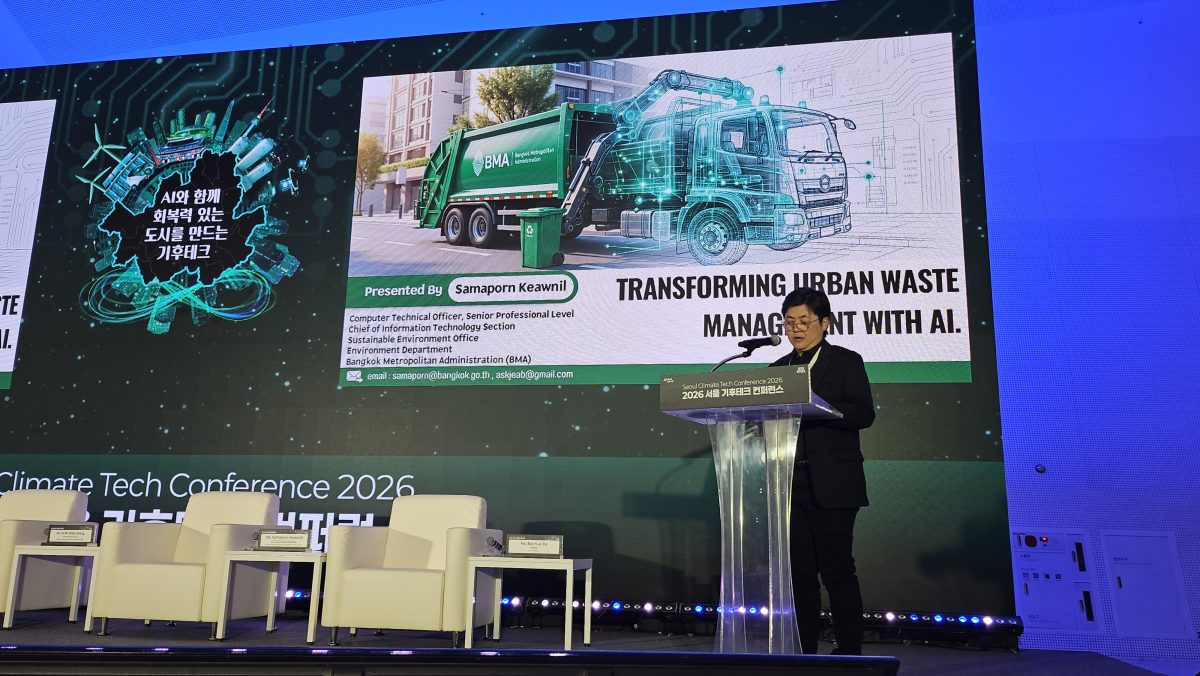
Samaporn Keawnil, Chief of Information Technology Section at the Bangkok Metropolitan Administration’s Environment Department, presented at the ICLEI Session.
Distinguished Professor Baohua Jia at the Royal Melbourne Institute of Technology (RMIT) University, Melbourne, also joined the session and delivered a presentation on emerging AI technologies applied across multiple areas in Melbourne. The presentation covered examples in areas of AI-enabled health care, resilient food systems, energy-efficient buildings, smart mobility, and circular waste management. She also mentioned that while technological innovation is important, human-centred AI design remains more important in creating inclusive and resilient smart cities.
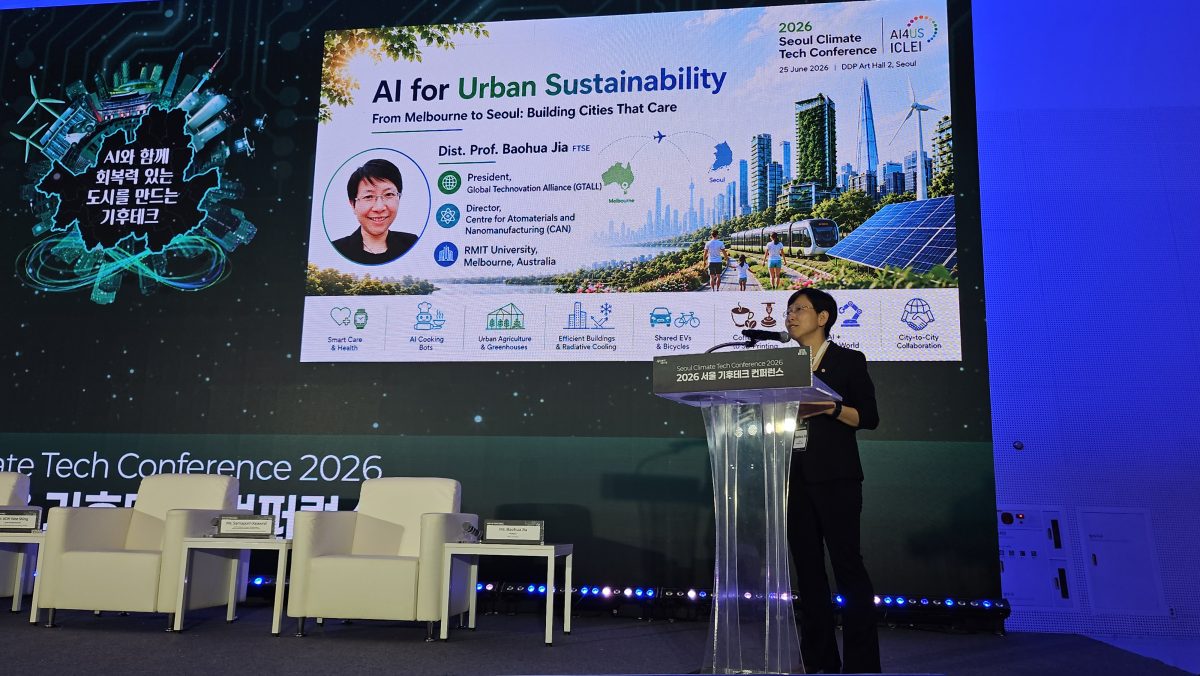
Distinguished Professor Baohua Jia at Royal Melbourne Institute of Technology (RMIT) University Melbourne, presented at the ICLEI Session.
Following the presentations, the session transitioned into a question-guided discussion session exploring shared challenges and opportunities in deploying AI in urban sustainability. All the panelists agreed on stronger collaboration and cooperation among government agencies, cities, research institutions, and the private sector to move AI innovations beyond pilot projects and into large-scale urban implementation.
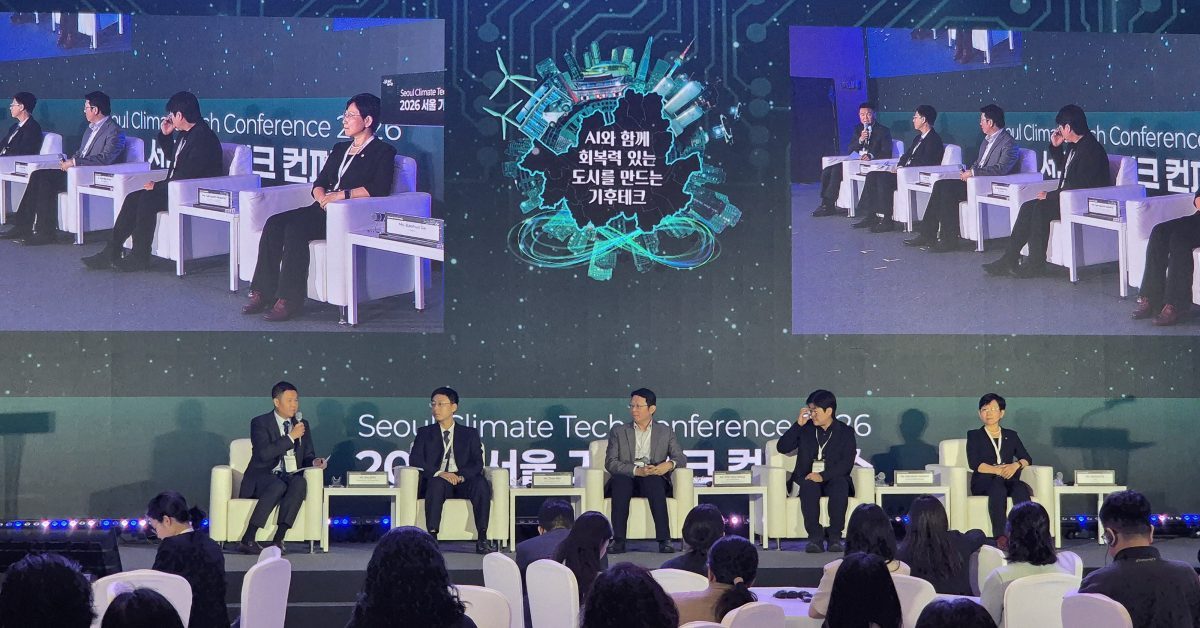
ICLEI Panel Discussion
Looking Ahead, ICLEI East Asia Secretariat is committed to fostering sustained knowledge exchange under the framework of AI4US project, providing a platform for cities and partners to have exchange and further accelerate cities sustainable transformation and transition.
Related posts:
 Innovative Solutions and Global Collaboration Spotlighted in Fight Against Urban Food Waste
 Driving Local Solutions to Plastic Pollution: Highlights from the Seoul International Forum on Climate and Environment 2024
 ICLEI’s Pivotal Role in Shaping the Seoul International Forum on Climate and Environment 2023: Driving Local Action for Global Impact